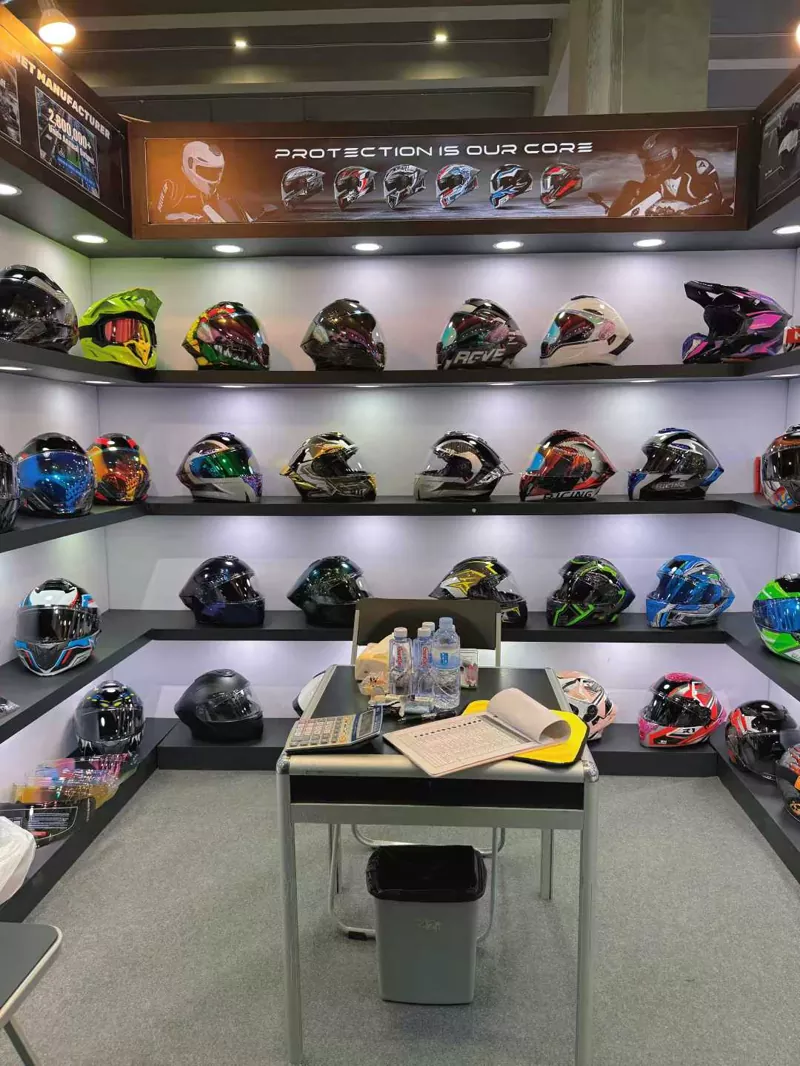

2026 Helmet Regulation Officially Takes Effect: ECE22.06 Standard Fully Rolls Out, Old Helmets Facing Phase-Out
A big change for motorcycle riding safety is here in 2026. The new ECE 22.06 helmet safety standard is now being used everywhere. This new standard replaces the ECE 22.05 rule. The ECE 22.06 helmet safety standard makes helmets safer by making them better at handling impacts and staying strong. This means that old helmets that do not meet the ECE 22.06 helmet safety standard will not be used anymore. The ECE 22.06 helmet safety standard is a deal, for motorcycle riding safety.
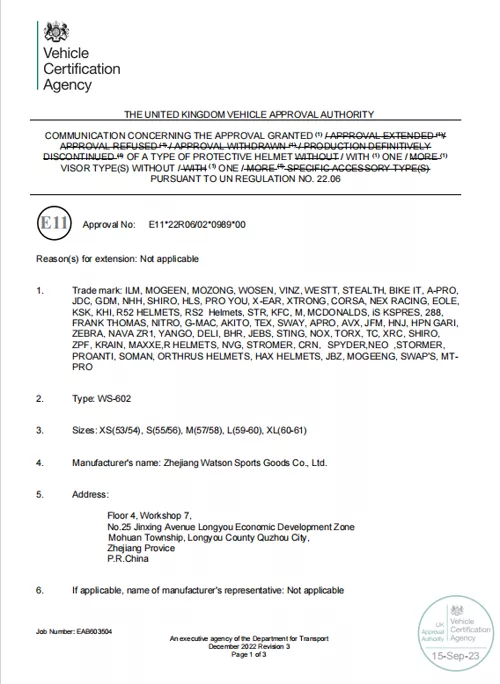
2. Core Upgrades of ECE 22.06 vs Old Standard
Formulated by the United Nations Economic Commission for Europe, the ECE 22.06 certification has become the globally recognized benchmark for motorcycle helmet safety. Compared with the previous 22.05 version, the new standard introduces more rigorous testing parameters, including high-speed impact detection, low-temperature structural tolerance and enhanced chin guard impact tests. These upgrades greatly reduce head injury risks during high-speed crashes and complex road condition collisions, bridging the performance gap between civilian helmets and professional racing-grade protective gear.
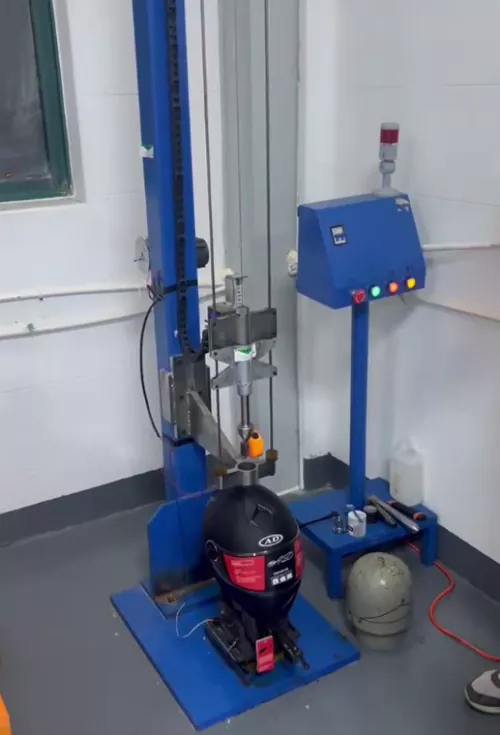
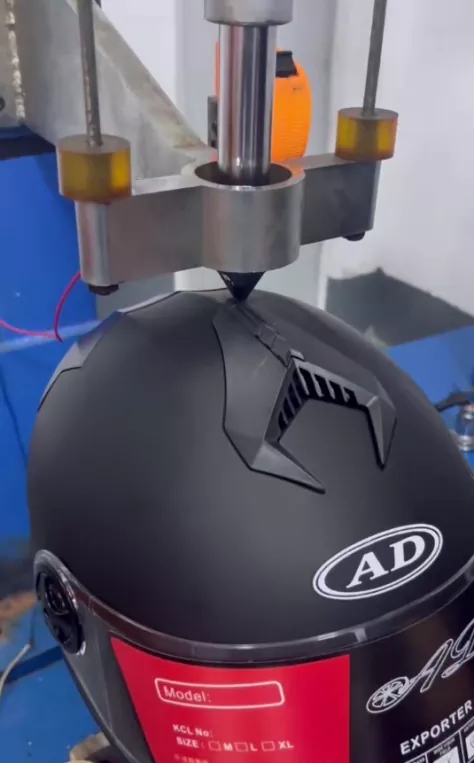
The European Union and some Asian markets have made a change. They are not going to allow people to make or sell ECE 22.05- helmets anymore. This new rule starts in 2026. The European Union and these Asian markets are really cracking down on ECE 22.05- helmets. People do not want these helmets made or sold in their areas after 2026. Most areas will still let you use helmets that meet the standards every day for a little while. However the people in charge of the industry and the safety organizations really think you should get helmets. They want you to replace the helmets as soon as you can. The old helmets can still be used in regions for a little while but the people, in charge and the safety organizations are saying that it is better to get new helmets now and that is what they really recommend for helmets.
Helmet materials, like EPS foam and composite shells get older over time. This means they do not work well in absorbing shocks. Even if your helmet looks fine and has no damage its shock absorption capacity decreases as it ages. EPS foam and composite shells are used in helmets.They are subject to wear and tear. EPS foam and composite shells help protect your head.
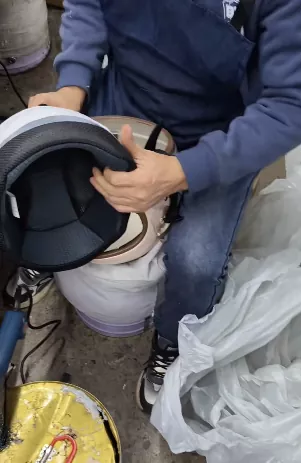
Professional safety institutions suggest that all motorcycle helmets should be replaced within 5 years of manufacture, regardless of usage frequency. Many riders ignore invisible material aging, which becomes a major hidden danger in daily commuting and long-distance riding. The new standard’s popularization also guides the public to form scientific helmet replacement habits.
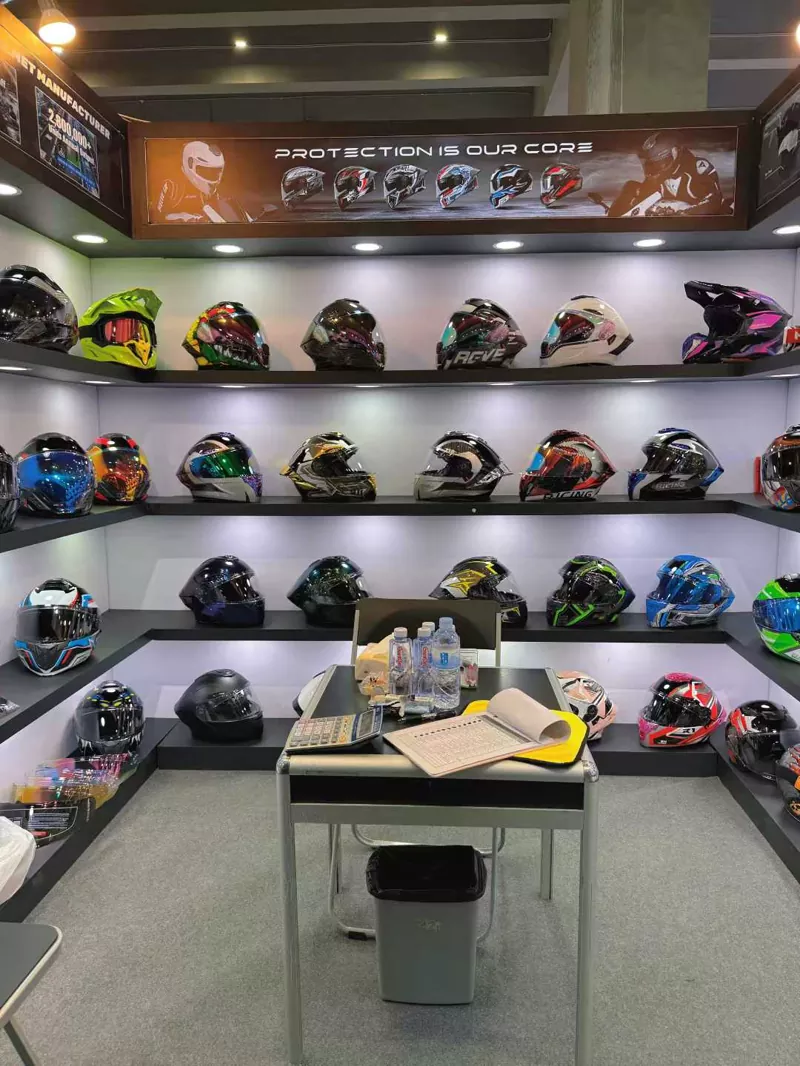
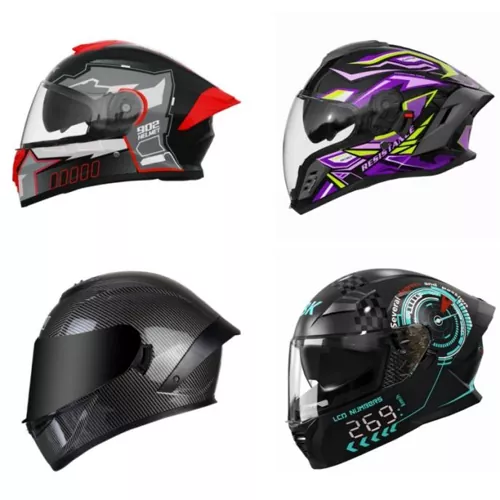
The full popularization of the ECE 22.06 standard has reshaped the motorcycle helmet market ecosystem. Major domestic and international helmet brands have completed product iteration, with new models fully compliant with the latest certification. Meanwhile, non-compliant low-cost and outdated products are being continuously cleared from the market, effectively curbing potential safety hazards caused by inferior protective equipment.
People who ride motorcycles need to know the new rules to be safe.
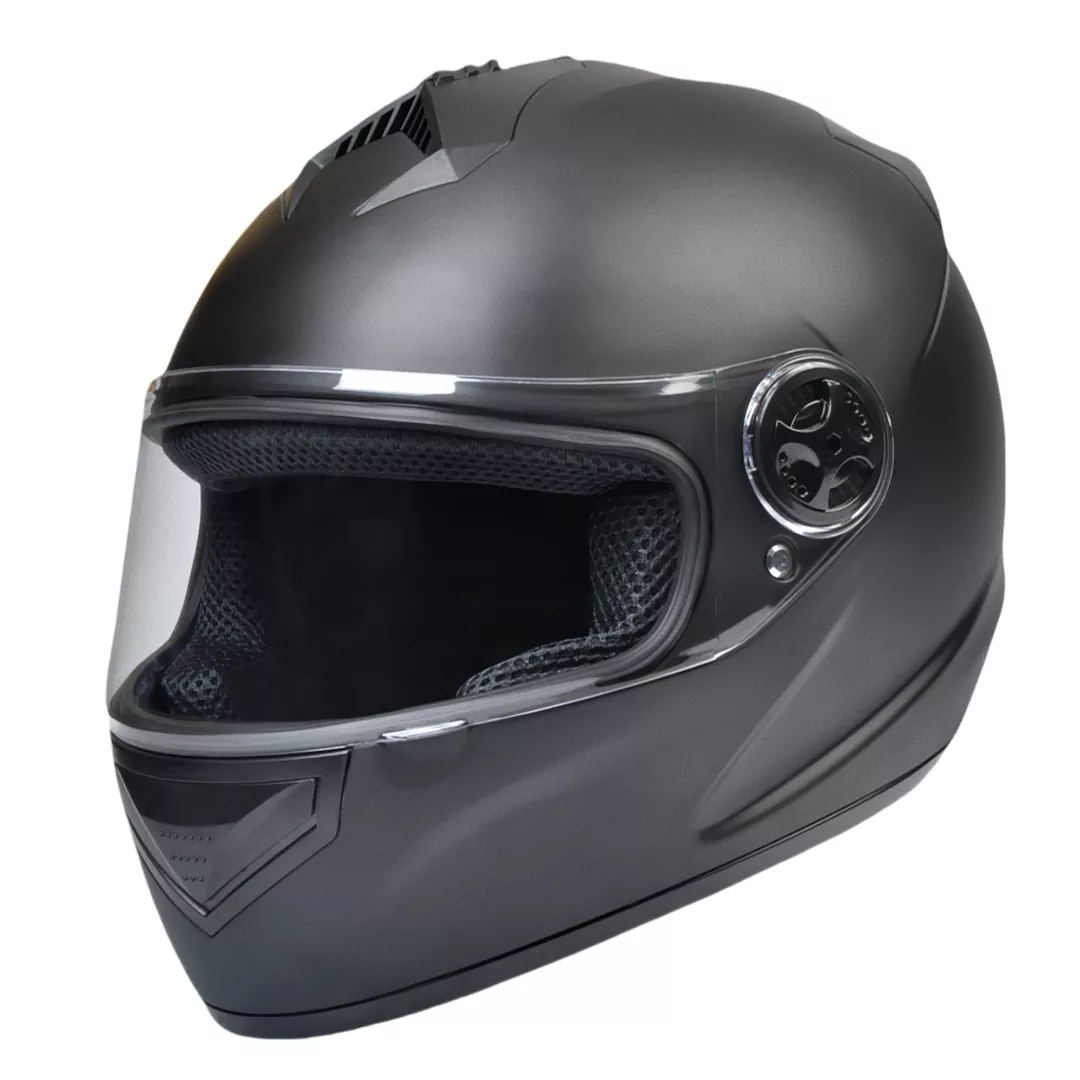
When people buy a helmet they should look for the ECE 22.06
certification label, on the motorcycle helmet.The packaging of the motorcycle helmet is not enough people should look for the ECE 22.06 certification label.If people have a motorcycle helmet that does not meet the rules or the motorcycle helmet is too old the best thing for people to do is get a new motorcycle helmet so people can be safe when they ride their motorcycle.
Industry analysts stated that the universal implementation of the ECE 22.06 standard will further standardize the global motorcycle protective equipment industry, drive overall technological upgrading of helmet products, and build a more solid safety barrier for mass motorcycle travel and outdoor riding.