Full-face helmets have been known for a time to be the safest type of motorcycle helmet. They cover the head, face and chin. Recently foreign markets have seen a rise in the demand for full-face helmets. This increase is due to safety rules people becoming more aware of how to stay safe and changes in what customers want. For distributors and wholesale buyers around the world knowing about this change, in the market can help them adjust their product line and find chances to sell.As an experienced motorcycle helmet OEM & ODM manufacturer, we keep close track of overseas market changes to deliver well-matched certified helmet solutions for bulk orders.
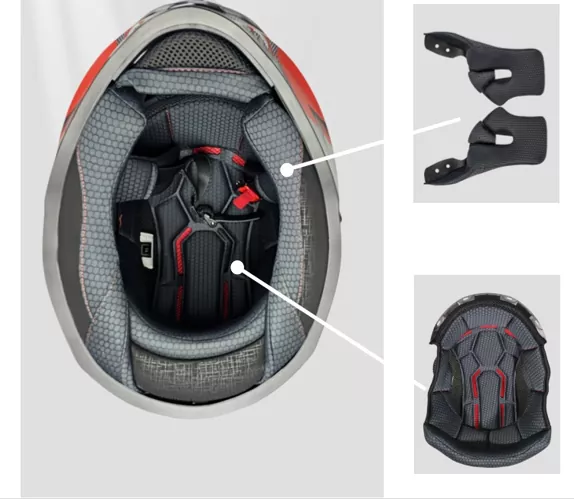
In the competitive global motorcycle gear market, resellers and wholesalers are always balancing reliable safety quality, stable supply capacity, and profitable wholesale pricing. Many bulk buyers struggle to find motorcycle helmets that meet international safety standards without overpaying for unnecessary high-end configurations. To solve this industry pain point, our factory launches a full line of cost-effective motorcycle helmets, providing a targeted and optimized supply solution for global resellers, wholesalers, and retail distributors.
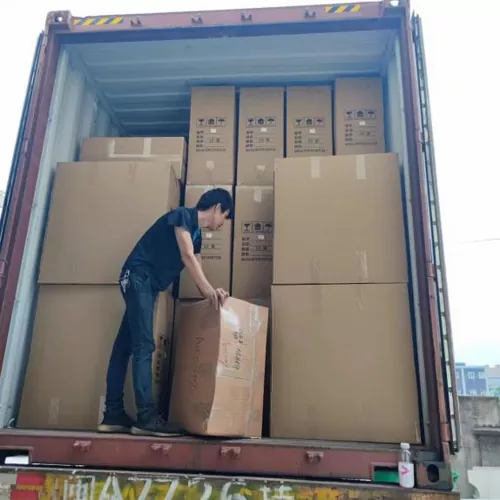
This article illustrates the systematic quality‑control workflow in our motorcycle helmet production line. QC procedures cover raw‑material incoming test, shell first‑article inspection, surface painting check, EPS liner fitting verification, random laboratory impact‑safety sampling, and pre‑shipment final audit. Every link follows ECE 22.06 and DOT safety standards. Failed batches will be suspended for re‑inspection to cut defective risks. Our multi‑layer QC system helps overseas distributors and brand buyers avoid non‑compliance risks, customs detention and customer complaints, delivering stable‑quality OEM & ODM helmet orders with reliable production records and after‑sales support.
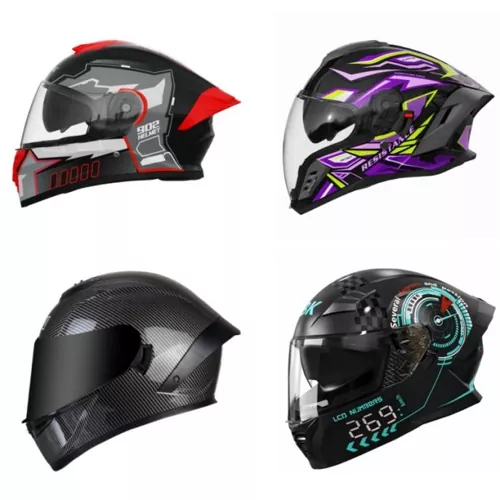
Global motorcycle riding culture continues to expand, pushing constant shifts in consumer preferences for motorcycle helmets. Based on market feedback from European, North American, Southeast Asian and Australian partners, we have sorted out the most popular helmet styles and core demands dominating the overseas market in 2026. This report offers practical reference for gear retailers, distributors and brand operators planning new purchasing and product lines.
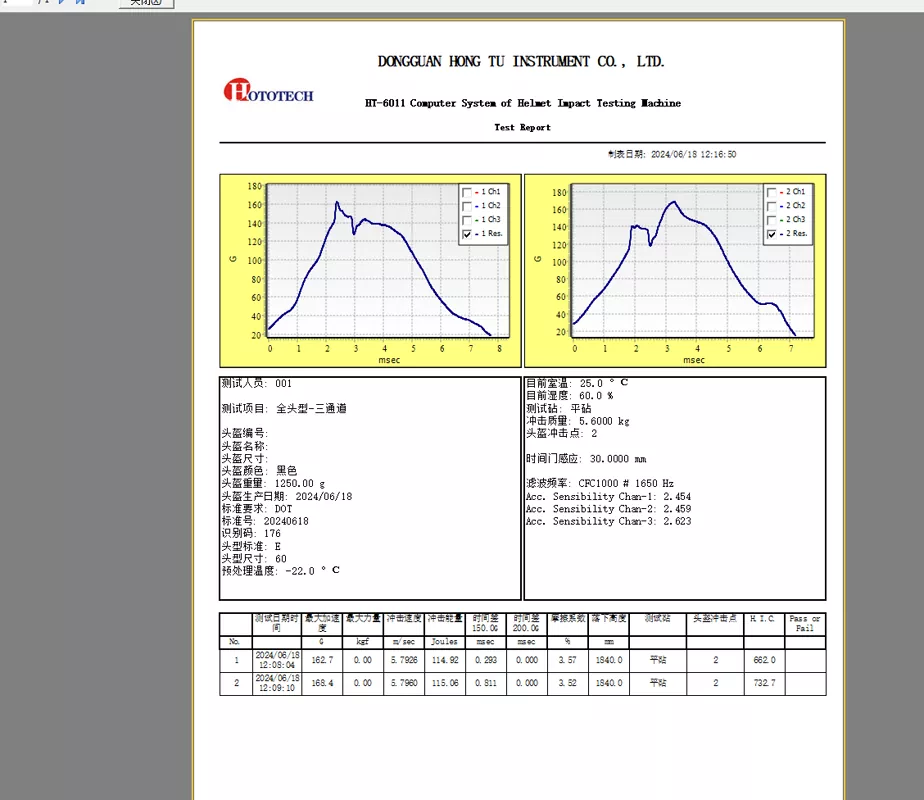
Safety is the core foundation of every qualified motorcycle helmet and the most concerned factor for global distributors, retailers, and end riders. As a professional motorcycle helmet manufacturer with full ECE 22.06 and DOT certification, we strictly implement standardized impact testing for all finished and semi-finished helmets. In this factory tour, we will take you through our rigorous motorcycle helmet impact testing process, showing how we eliminate safety risks and deliver fully compliant protective products for global buyers.
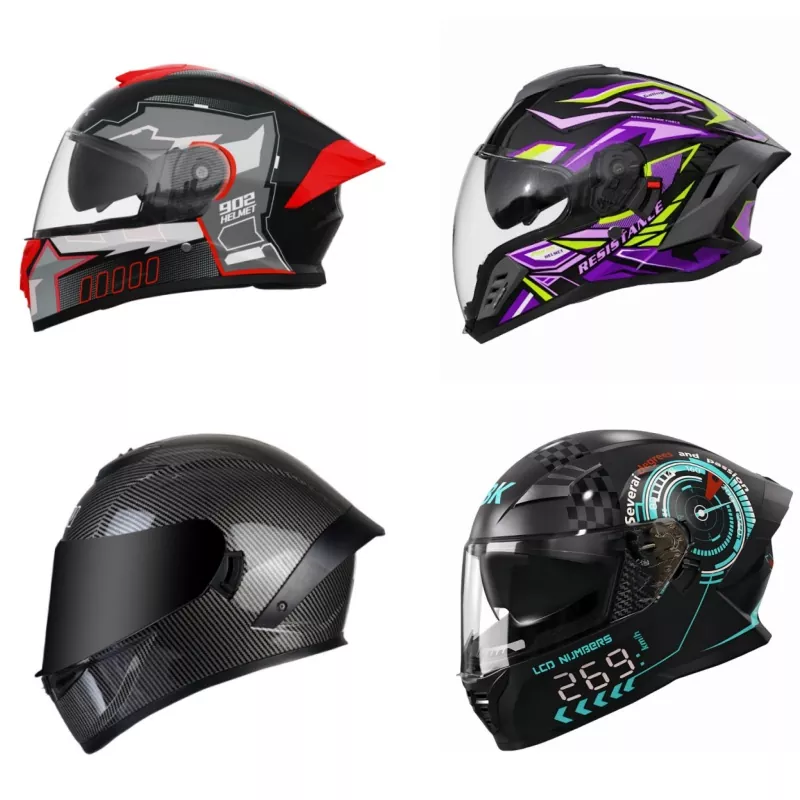
In the highly competitive global motorcycle gear market, personalized and branded helmet designs have become a core selling point for distributors to attract end consumers and enhance market competitiveness. To help global partners differentiate their product lines and meet diverse market demands, we launch professional custom helmet painting and decal solutions, tailored exclusively for motorcycle gear distributors, retailers, and brand wholesalers worldwide.
We use cookies to offer you a better browsing experience, analyze site traffic and personalize content. By using this site, you agree to our use of cookies.Privacy Policy


 08 2026-09
  02 2026-09
  26 2026-08
  26 2026-08
  18 2026-08
  18 2026-08