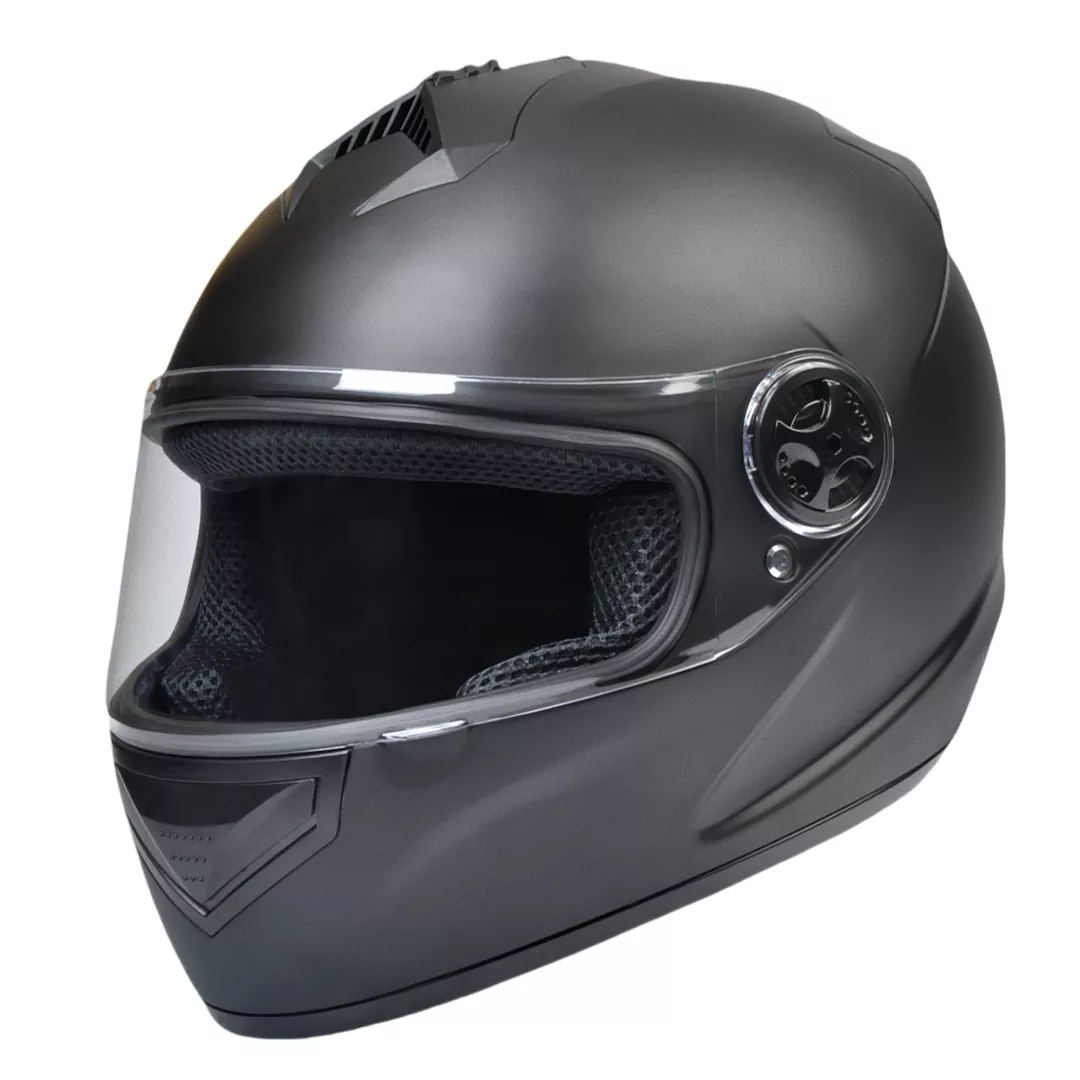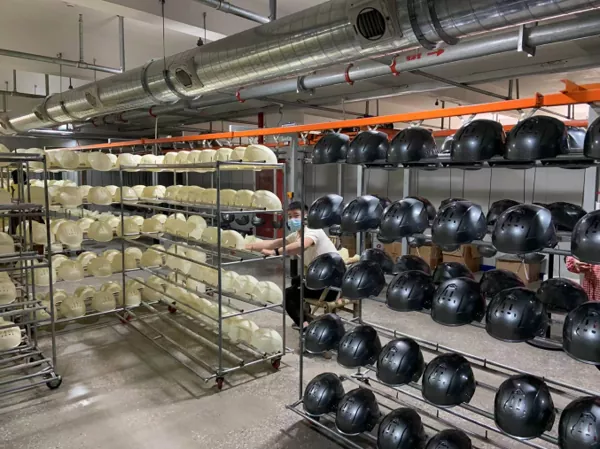

Many overseas distributors, motorcycle shop owners, and bulk order clients often wonder what makes a high-quality certified motorcycle helmet different from low-end products. The answer lies in standardized production processes, strict quality control, and professional manufacturing standards. Today, we take you through our full motorcycle helmet production line with real factory footage, recording every procedure from raw material shell injection molding to finished product packaging, showing our complete manufacturing strength for OEM, ODM, and bulk wholesale orders.
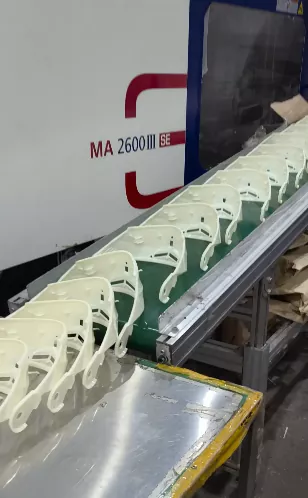
The overall performance of a motorcycle helmet is determined by its outer shell material at the very first stage. In our workshop, we exclusively use high-strength ABS and composite fiber raw materials with high toughness, impact resistance, and aging resistance, which fully meet ECE, DOT, and global safety certification standards.The helmets are made using a process that involves melting at very high temperatures injecting at high pressure and molding into one piece. This way the helmet shell is formed at once without any gaps where the pieces are put together. The helmets are made this way so they do not crack or get deformed when they are hit hard. We take videos of how the helmetsre made and these videos show that each mold is carefully checked before it is used to make helmets. This checking makes sure that every helmet shell is the size, curve and thickness every time we make a batch of helmets. The helmet shells are made to be consistent. This is very important, for the helmets.
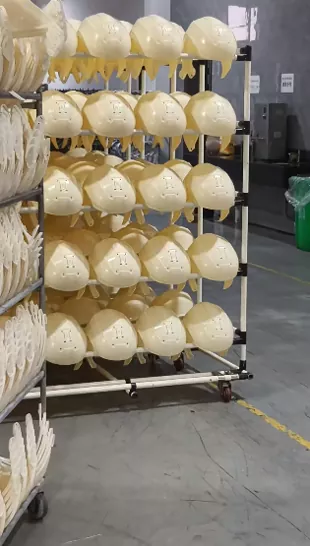
After the helmet shells are removed from the mold they will go to the processing workshop. The helmet shells will then be processed further.
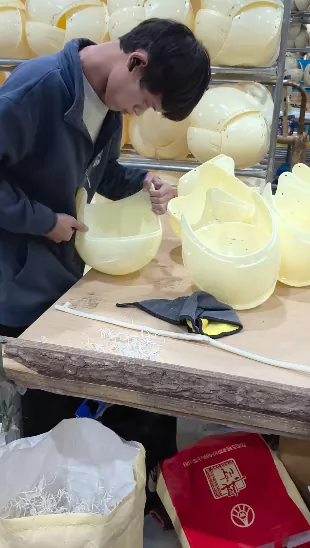
This step is important, for making the helmet shells smooth.Workers and automated equipment jointly complete edge trimming, burr removal, and overall surface polishing. Unlike ordinary factories that skip fine polishing to save costs, we conduct three rounds of fine grinding on the inner and outer surfaces of each shell.This meticulous process not only makes the helmet surface smooth and flawless for subsequent spraying and printing but also eliminates sharp edges that may cause wear and discomfort during wearing. Real workshop footage shows that unqualified shells with uneven surfaces or dimensional errors are directly screened out in this link to ensure zero defective products entering the next production stage.
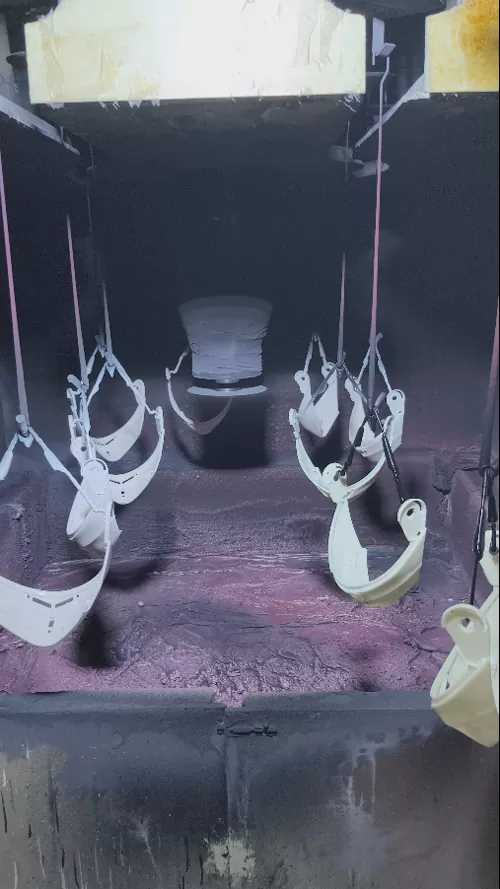
The way a helmet looks and how long it lasts depends on the surface treatment. We use a way of painting called electrostatic spraying. This makes the paint stick to the helmet well so it does not scratch or fade easily.When we spray the helmets they can withstand being for a long time even in the wind and sun without the paint coming off or changing color. This makes them really good for people who ride their bikes outside a lot.If you want a helmet that's just, for you we can do that. We can print your logo on the helmet make a pattern match the color you want and even add your own decals.Our production team precisely aligns printing positions according to client design drafts, meeting diverse customization needs for brand distributors, motorcycle clubs, and retail sellers. All customized processes are completed in our independent spraying and printing workshop with stable batch output capacity.
The inner buffer liner is the core of helmet safety protection. We use a kind of foam called EPS foam in our helmets. This foam is really good at absorbing shocks. It helps to spread out the force of a crash.In the workshop where we put the helmets together the workers make sure the EPS foam fits inside the helmet shell. They use parts to keep it in place so it does not get loose or move around.Then we add some important things to the helmet. We put in a cotton lining, cheek pads to protect your face straps to adjust the helmet to your head buckles that you can quickly open and a visor that does not get foggy.The things we put inside the helmet are all made to be comfortable, on your skin. Can breathe so you do not get too hot. They are also made to last a time and keep the helmet stable when you are wearing it.Every assembled component undergoes manual inspection to guarantee flexible and smooth use.
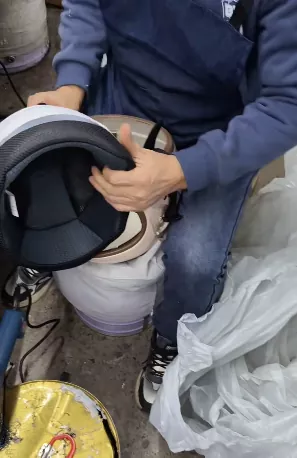
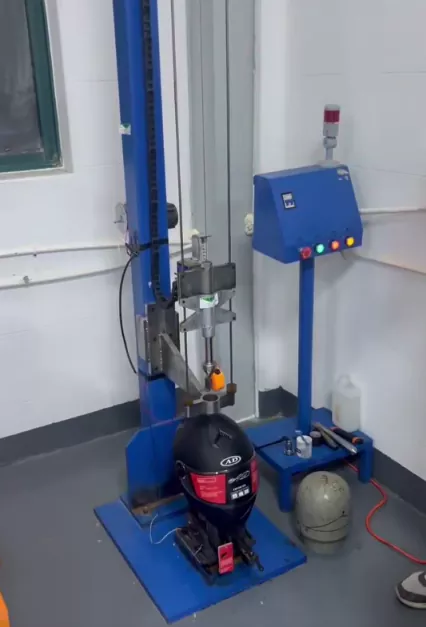
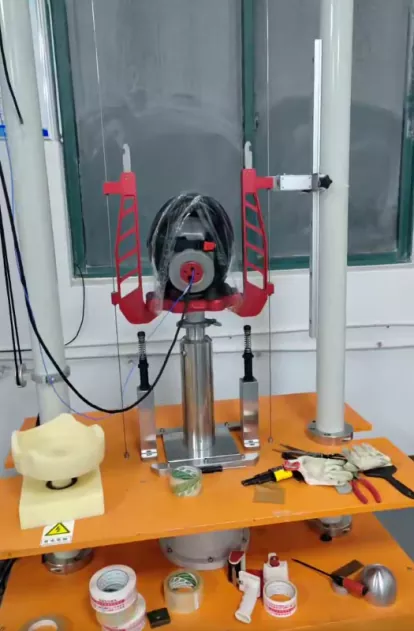
Before finished product packaging, all helmets must pass rigorous multi-index quality testing, which is the most critical step to ensure product qualification. Our factory is equipped with professional testing equipment to complete impact resistance tests, penetration resistance tests, strap tension tests, and airtightness detection.
In addition to mechanical testing, our QC team conducts manual full inspection on the appearance, size, accessory flexibility, and overall fit of each helmet. All unqualified products are eliminated on-site to ensure that all bulk exported helmets meet international safety standards. This strict inspection system is why our helmets maintain a low after-sales rate and high customer recognition in overseas markets.
After passing all inspections, qualified helmets will be cleaned, dust-removed, and packaged independently with anti-pressure cartons and protective foam. We support standard export packaging and customized brand packaging according to customer requirements, effectively avoiding extrusion damage during long-distance sea and air transportation.
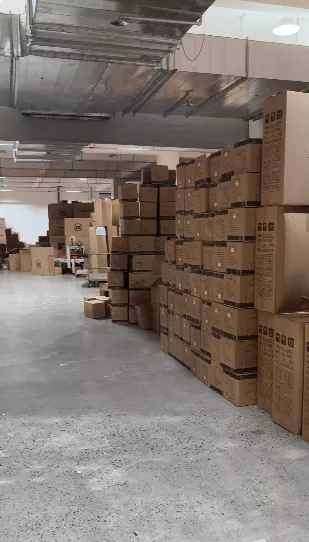
Our workshop has a standardized finished product warehouse with sufficient inventory and stable production capacity, supporting small-batch trial orders and large-batch bulk wholesale. Whether it is conventional spot helmets or customized OEM&ODM products, we can complete efficient production and timely delivery.