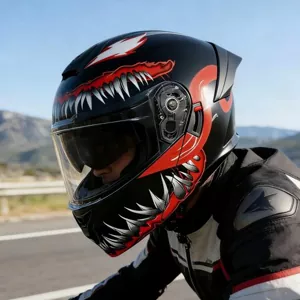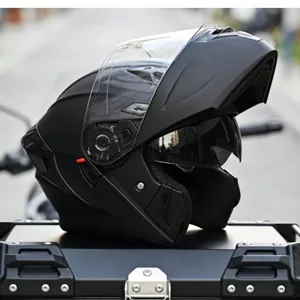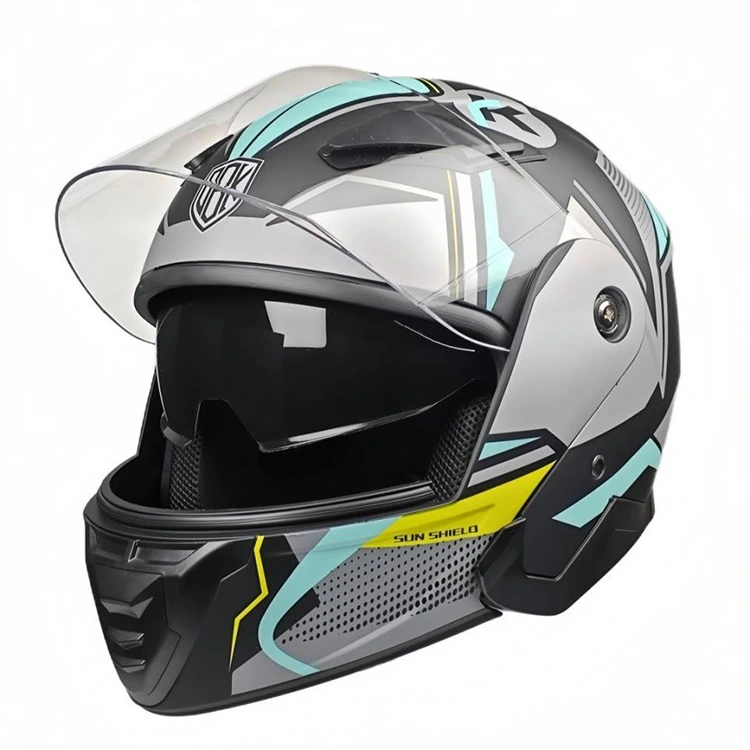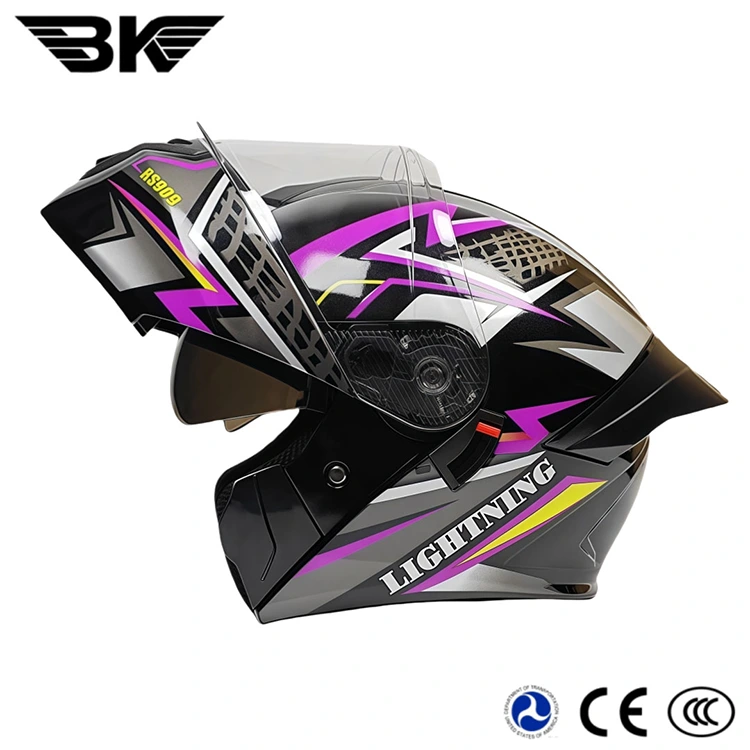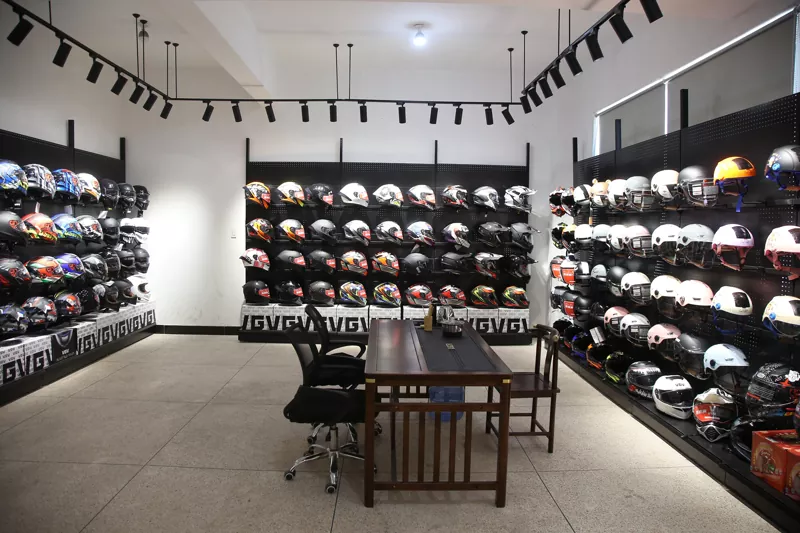

Walk past our coating room any afternoon and you'll see the same thing: a row of visors on a bench, a guy breathing on each one, tilting it to the light, setting it down. Takes him maybe twenty seconds a visor. People ask why we bother doing it by hand when we could just buy coated visors like everyone else. Fair question. We're not a small shop, either. Forty thousand square meters, over three hundred people, eight lines, fifteen thousand helmets out the door on a good day. So it's not like we can't afford the shortcut, or that we never thought about it. We just decided twenty years back that this is one step we don't outsource, and I'm not sure we'll ever change that. Some things you keep close, and the thing a rider sees through is one of them.

Here's the part that matters about scratches, and it's not about looks. Most people think a scratched visor is ugly. Sure, that's part of it. But a visor that scratches easy goes cloudy. Cloudy catches glare. And nobody wants to squint through that on a sunny road. The hard coat isn't for looks. It's just a thin clear layer that soaks up the daily stuff. Keys in a pocket. Dust. A gloved hand wiping across it. It's not bulletproof.
Nothing is. It just buys the visor years instead of months, and that's what keeps your customer from coming back in spring for a replacement.

You'd think people would understand that, but half the scratched visors we see in the repair box got there in under a season. It's the kind of thing you only notice once it's already gone. Cheap to do right, and nobody's going to thank you for it, but it shows up the moment it's done wrong.
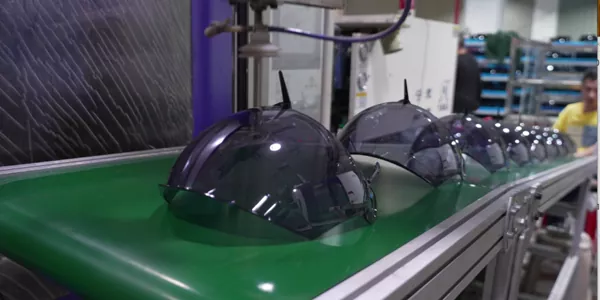
Every time. The cheap fix, and I won't name brands, but a lot of them do this, is a coating that looks great in the spec sheet and gives up after two weeks of use. That's not anti-fog, that's anti-fog-flavored. What holds up is a treatment that gets bonded into the surface, not painted on top where it wipes off. Get it right, your breath spreads out thin and even, you can see fine. Get it wrong, you're clear for two weeks and fogged forever. So we test by hand. Every visor, well, not literally every one, but a good stack of them every single day. Someone breathes on it, checks it, moves on. It's slow, it's boring, and it catches the bad batches before they ever reach you. It's the least impressive job in the building, and one of the most important. Nobody claps for the person doing it, but you'd notice in a hurry if they stopped. A cold morning and a visor that fogs at the first intersection, that's how a helmet earns a bad review.
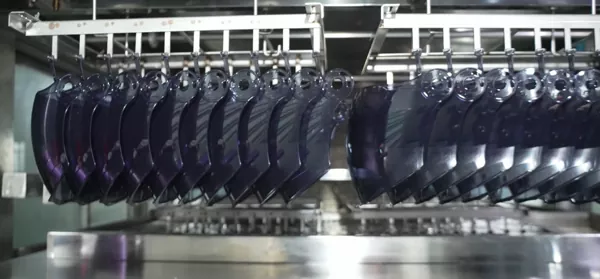
That's really the whole story. Both coatings go on every visor we ship, standard, no asking. It doesn't look like anything on a spec sheet. But it's the difference between a helmet your customer keeps for years and one they hand back to you in a month. If you're looking at one of our models, ask us for the coating spec. We'll walk you through it. We'd rather you know exactly what you're selling, and we'd rather you not be surprised by it later. Most factories don't want to talk about this step. We do. It's not the part of the helmet people see first, but it's the part that decides how long they keep it.