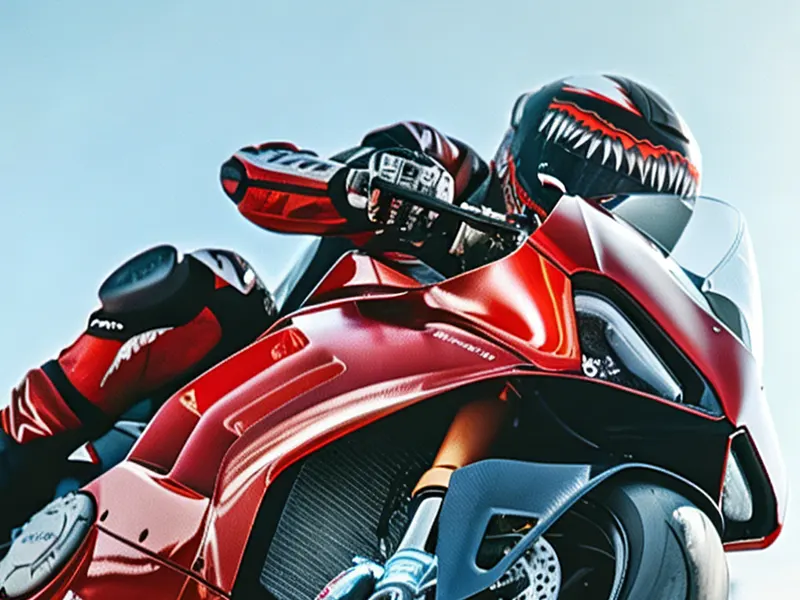

For all motorcyclists, a helmet is not just a mandatory part of riding equipment, or a stylish add-on to match your bike. It’s also your only line of protection against potentially fatal head injuries in an unexpected crash. But hordes of riders (right or wrong, more so beginners) run off and buy helmets they see in the shelf, based off the look, the price, the brand popularity and so on, without really getting into the details that really matter in ensuring your head is truly protected.With new safety regulations, evolving helmet technologies and a whole lot of subpar/uncertified products flooding the market in 2026, choosing the right motorcycle helmet has never been more challenging. Below, we've condensed everything a rider needs to know and do when buying a helmet – from safety certifications, to different styles of helmet, materials used, fitting tips and common buying pitfalls.
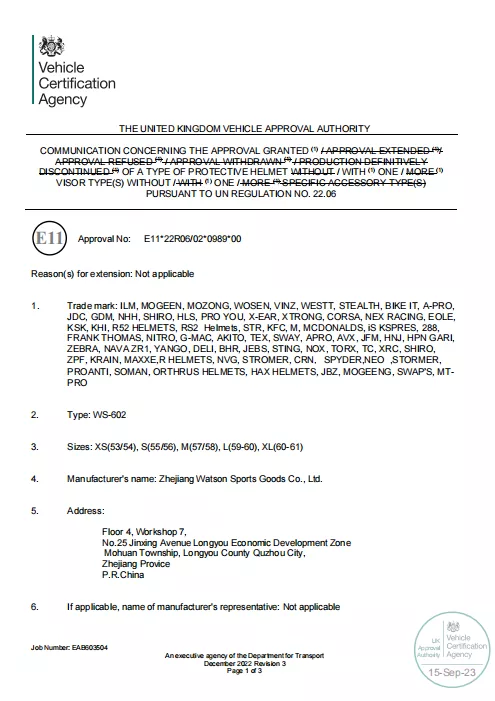
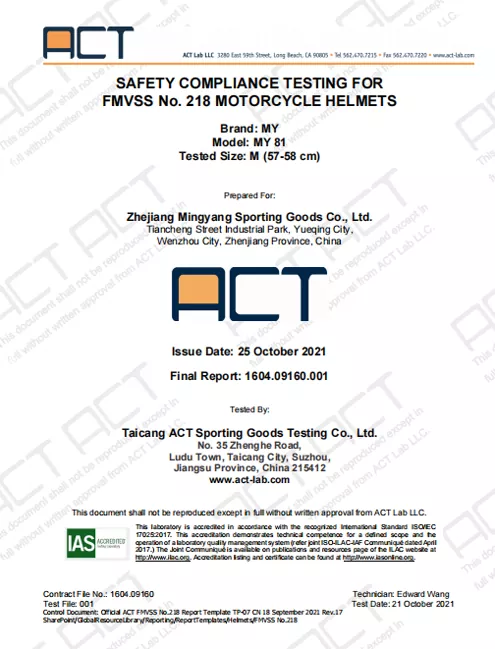
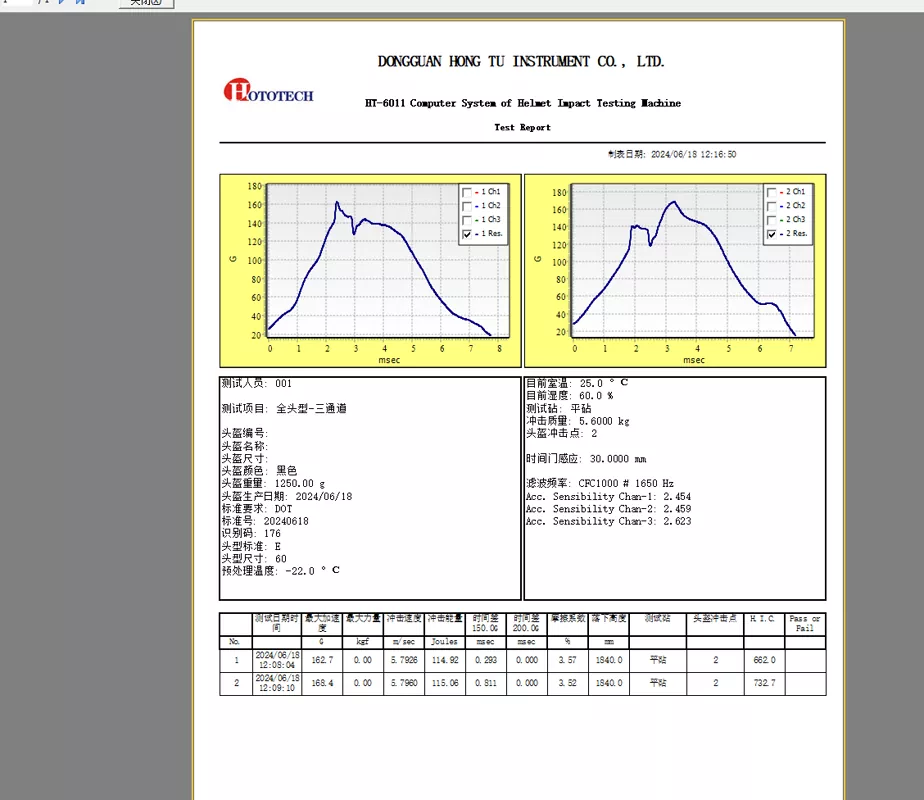
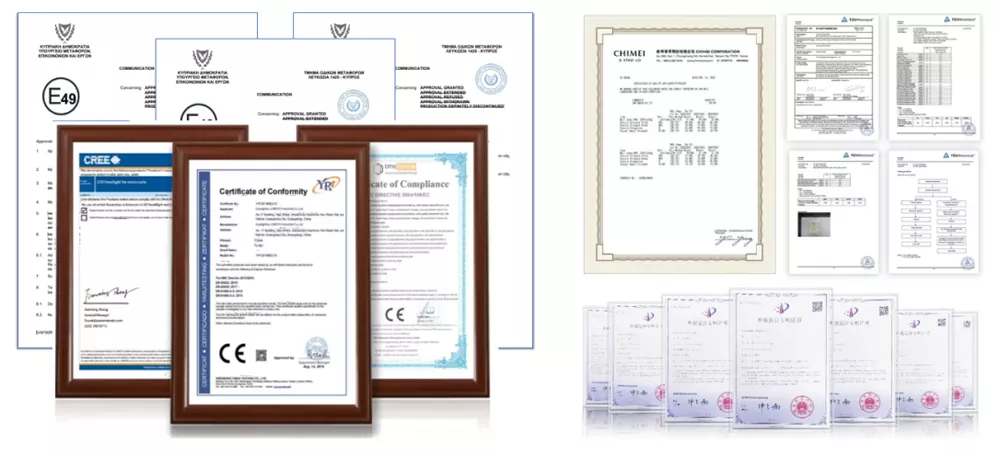
The largest error riders make is purchasing uncertified cheap helmets that have the same design as the high-end models but provide no actual protection. The performance of a helmet in terms of safety is ultimately proven through official industry certifications, which includes comprehensive impact testing as well as testing for penetration, and strap stability. As for 2026, three main global standards lead the market with different test stringency level and application area.
ECE 22.06 is now the international standard for motorcycle helmet safety, superseding 22.05. The revised European homologation brings tougher tests for rotational impact force, chin bar integrity and high speed crash protection, and is considered by many as the best baseline for street and highway riders. The DOT FMVSS 218 is what makes helmets legal for street use in the U.S. It is important to note that for what it is, it’s pretty safe, but its testing requirements are easy relative to what ECE and Snell call for. Riders need to know that real DOT helmets have a dot label, not just run-of-the-mill text that says ‘meets DOT standard’ or the like on product pages.
Snell 2026 certification is still the gold standard for performance and track use. Snell testing, which is administered by outside third-party agencies, blows regular road safety standards out of the water with higher drop heights, more impact tests and rigorous structural integrity examinations. It is the ultimate safety for the sport rider and track enthusiast in pursuit of the ultimate. Experts in the industry continue to stress that helmets that are dual certified (ECE + DOT or ECE + Snell) provide a much more reliable level of protection than those that are single certified or have no certification at all, particularly when it comes to traveling great distances and at high speeds.
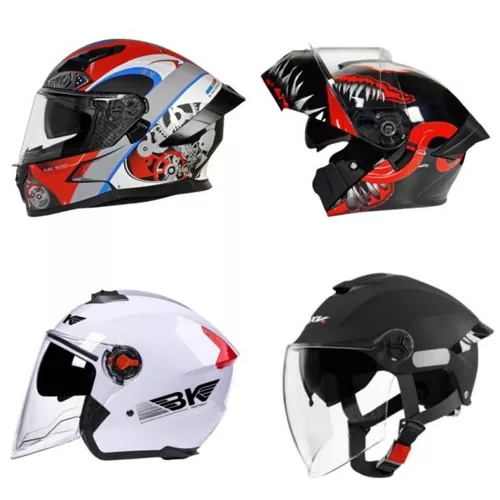
Not all types of helmets work well for all types of riders. Every model has an own “recipe” for safety, comfort and functionality. Instead of chasing trends, use your helmet to reflect your daily riding habits to get the best mix of protection and experience.
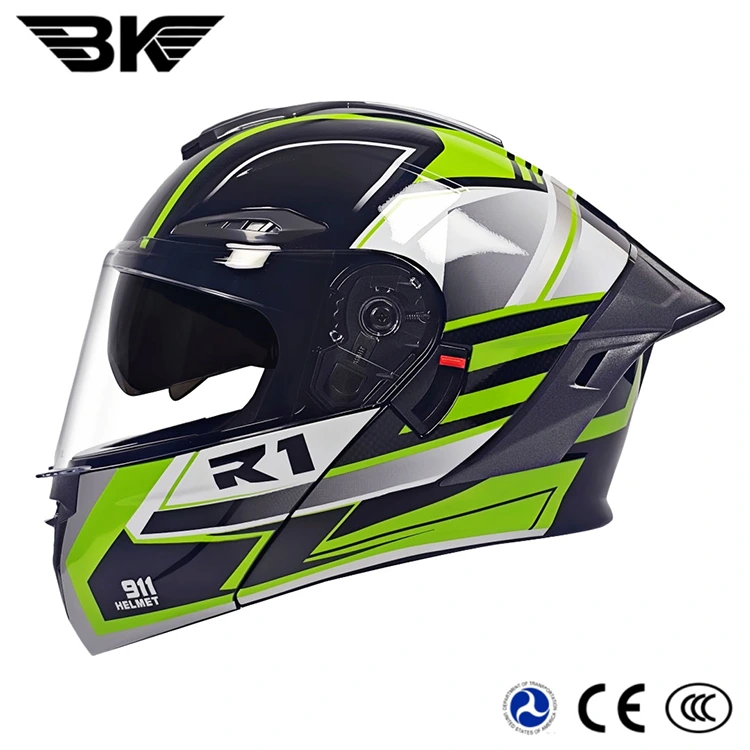
Because these helmets are fully enclosed like full-face models but feature an integrated chin bar and are considerably lighter, they protect the entire head, face and jaw — the areas most at risk in motorcycle crashes. Perfect for highway commuting, long-distance touring, and sport riding, full-face helmets generally lead pack in impact absorption, wind noise isolation and weather resistance. only tiny drawback is you get a bit less ventilation in extreme heat.
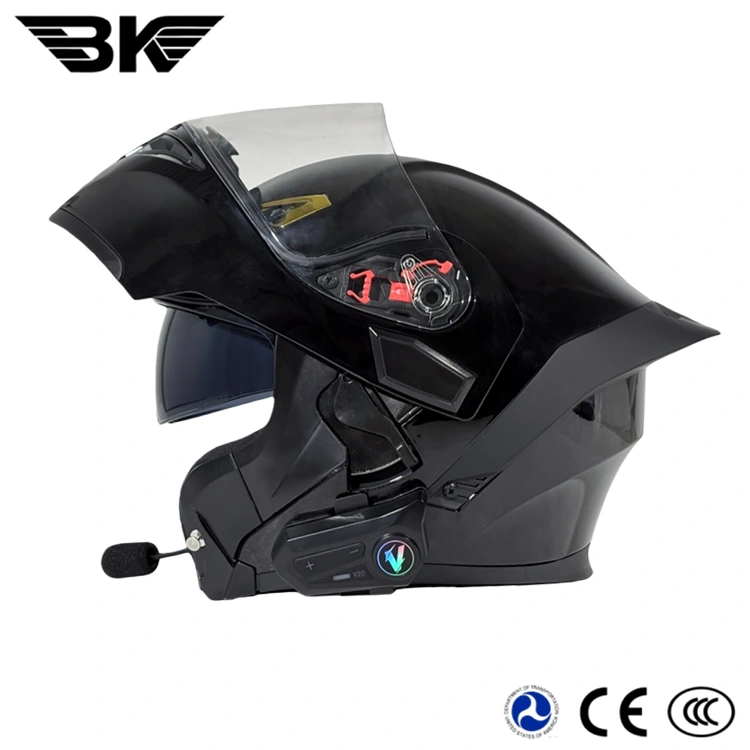
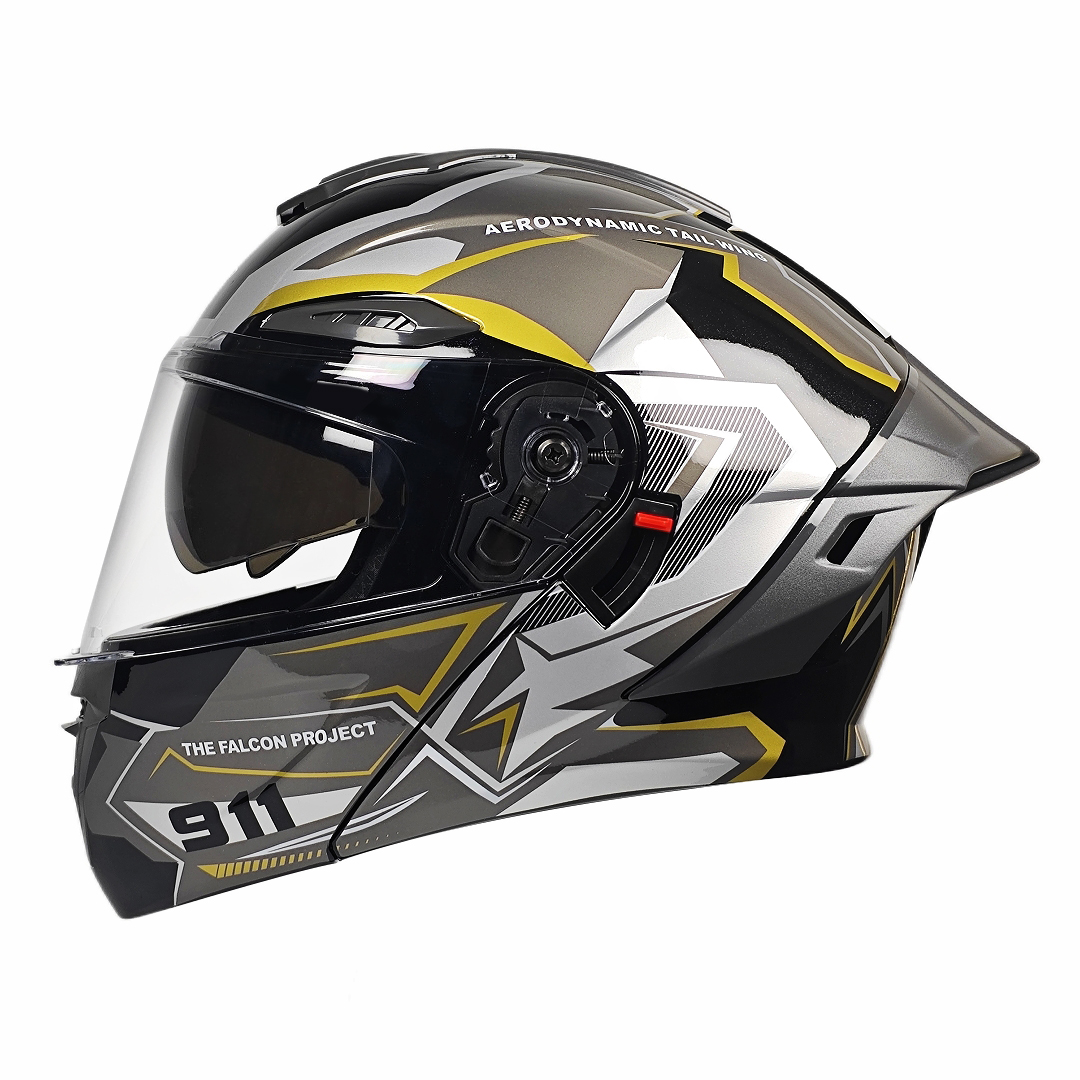
Modular flip-up helmets are great for urban riders that just want to be safe and make frequent stops for traffic or pedestrians. Your adjustable chin bar is able to flip up for talking, drinking and ventilation while you’re lined up at the stoplight, and it locks solidly to give you full-face coverage when you’re flying down the highway. The downside is a little extra weight and a tiny bit of flex at the hinge, rendering them less stiff compared to full-face-specific shells.
We're all about airflow and comfort, as you're really just going to be putt-putting through the city on a vintage bike at low speeds. They do protect skull and ears, but your face and chin is totally exposed and unprotected against flying debris or impact of the jaw in a crash. They are not recommended for riding on the highway or at high speeds.
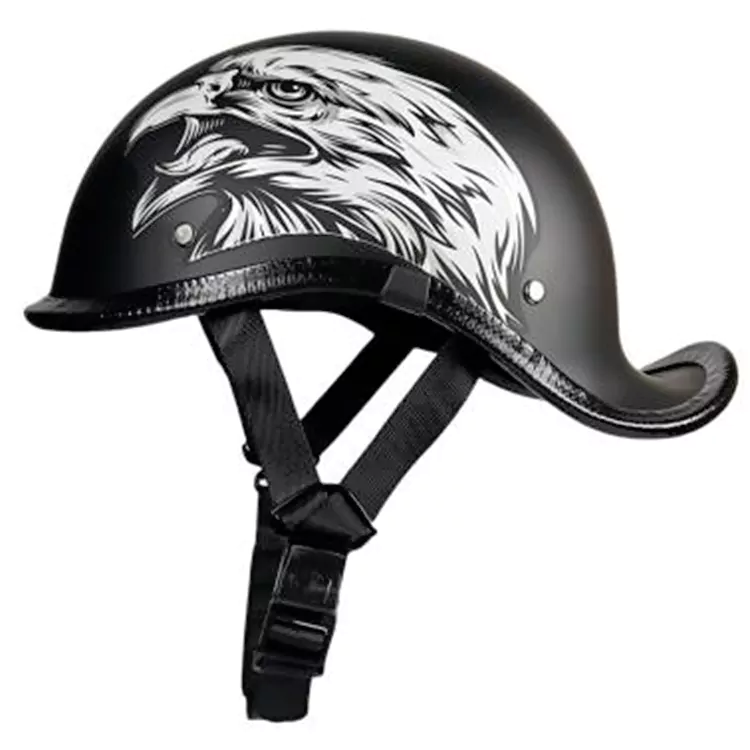
Half helmets arethe most minimal and light, most commonly worn for causal shorter rides and retro styles. That said, they offer just essential skull protection and do not cover your face or chin. Safety organizations say that half helmets aren’t suitable for commuting or riding on fast roads.
Helmet materials are an underestimated by most riders but they have a direct impact on the weight, durability and impact absorption capabilities of the helmet. Three mainstream materials dominate most consumer helmets in 2026.
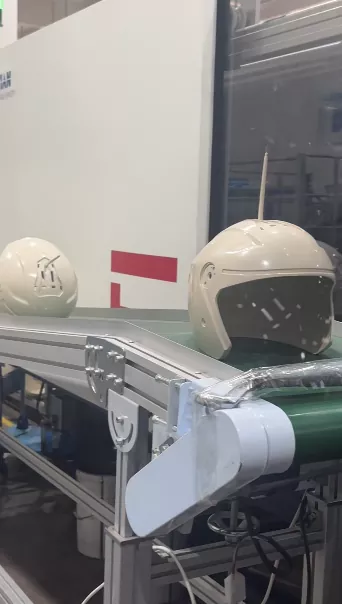
ABS plastic is the most common budget-friendly material. It offers reliable basic impact resistance, meets standard certification requirements, and is lightweight enough for daily riding. It is the ideal choice for casual commuters with a limited budget.
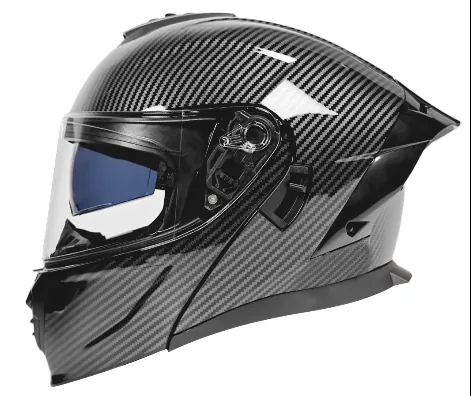
Carbon fiber is the high-end helmet material. So light and strong, carbon fiber shells reduce fatigue over long rides and offer the finest impact protection. The only downside is the higher price point, aimed at professional riders and high-level enthusiasts.
A top-rated, quality helmet is no good if it doesn't fit your head. Stats tell us that more than 30% of the helmet protection failures in crashes are due to an ill fitting helmet. Several new riders choose bigger helmets for immediate comfort, which is one of their biggest safety mistakes that they can make
A new certified helmet should be comfortable and not too tight. Your helmet should fit snugly around your forehead and cheeks, with no gaps you can see around your temples or the back of your head. The helmet should not move around when you shake your head strongly. A little tightness is typical at the beginning, the inner foam lining will break in and shape to your head shape after 10-20 hours of use.
Riders should measure the circumference of their head above their eyebrows and consult the size chart of the brand before buying and also adhere to the brand's size chart as there is a small variance in the sizing standards among different manufacturers.
Critical Buying & Usage Mistakes to Avoid in 2026
Even the most seasoned riders are regularly caught by the helmet purchasing snags so here’s what you need to know to keep you safe. Second, stay clear of second hand helmets. A previously worn helmet may have internal foam damage from drops or crashes that you can’t see that completely compromises its protective abilities.
Purchasing a helmet for motorcycle riding is not just a mundane buying decision – it’s a matter of safety for while riding. When it comes to the best helmet for 2026 for every rider, it’s not the most expensive, or coolest-looking, but the certified, correct-sized, and scenario-suitable option.
Be sure to look for ECE 22.06, DOT, or Snell certification, buy a design that fits your riding style, thoroughly inspect the quality of materials, and insist on a great fit. Avoid these common errors and you’ll get the most protection out of every mile you ride.