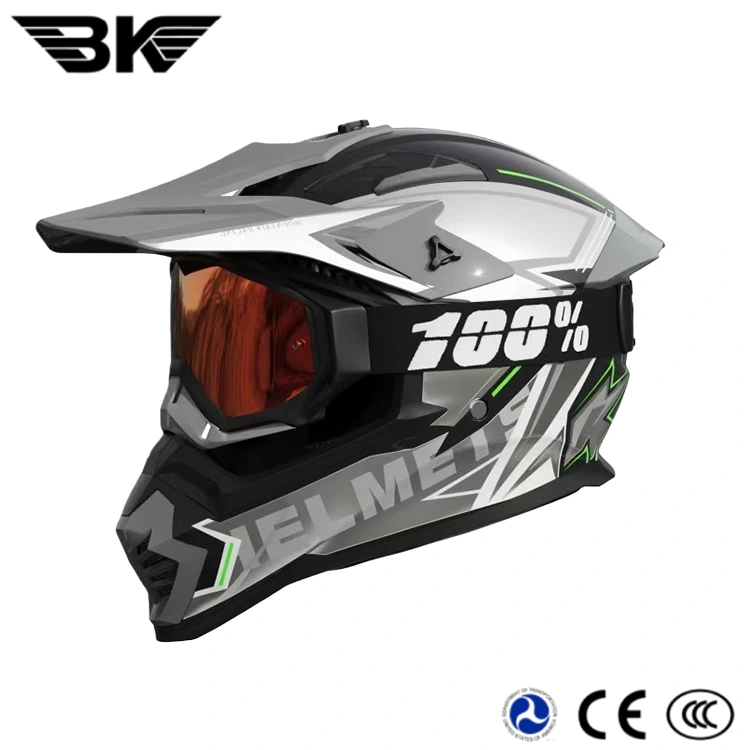

For buyers, a motorcycle helmet often looks simple: a glossy shell, a clean visor, and a certification sticker. But the real safety and consistency are built long before the helmet reaches a shipping container. This is a documented walkthrough of our production line, from raw ABS plastic to a certified helmet ready for export.
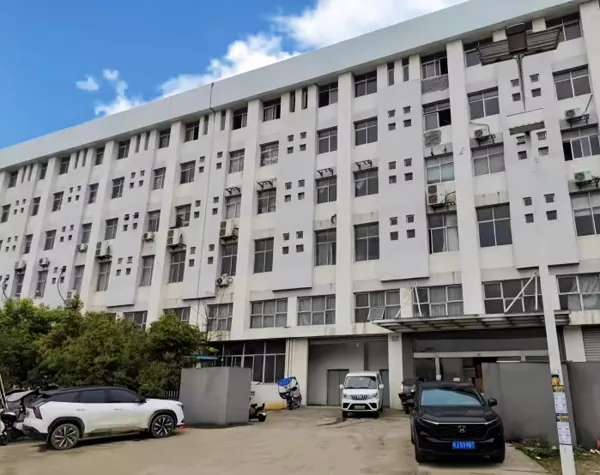
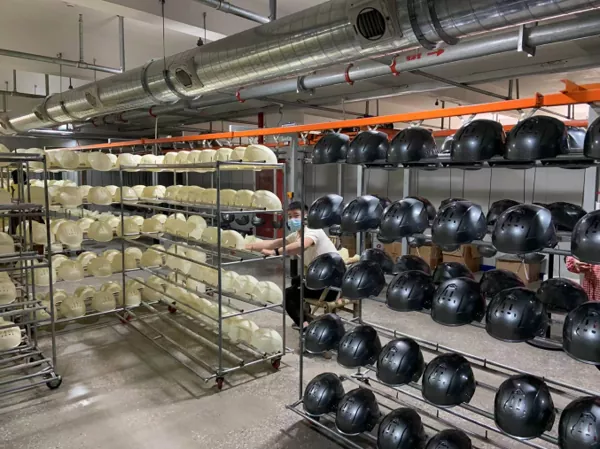
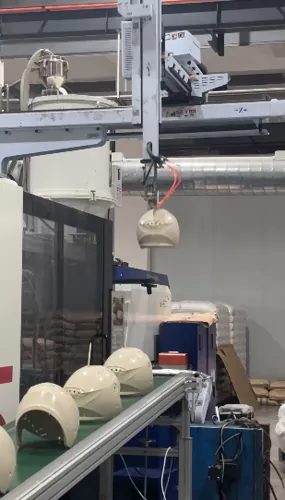
The process begins with the outer shell. We feed [ABS / PC-ABS / other material] pellets into injection molding machines, where heat and pressure form the shell into one seamless piece. Depending on the model and target market, we may use different shell materials, but the goal is the same: consistent geometry and controlled impact-energy distribution.
A one-piece shell helps avoid weak joints where impact energy could concentrate. Every batch is checked against the approved design tolerance. We record key parameters such as material batch, injection pressure, hold time, cooling time, and dimensional inspection results. This gives us traceability from raw material to finished shell.
What buyers can verify: material certificates, injection records, shell dimension reports, and batch traceability.
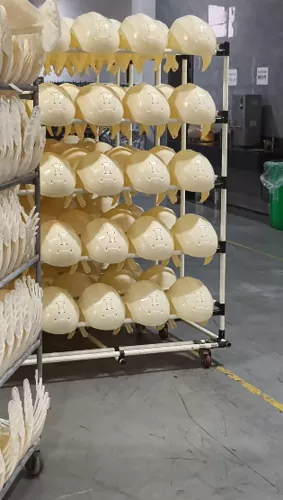
Inside the shell sits the EPS foam liner—the part designed to absorb impact energy. We mold the EPS liner to match the shell’s inner curve precisely. Even a small gap or mismatch can reduce the helmet’s intended performance, so the liner and shell are developed as a matched set.
The EPS density, molding condition, and fit are controlled according to the approved specification for each model. On impact, the foam is designed to crush in a controlled way, helping reduce the energy transferred to the rider’s head. We inspect liner density, dimensions, and fit during production. Where required, we also use multi-density EPS configurations for different protection zones.
What buyers can verify: EPS specification sheet, density test records, liner fit inspection reports.
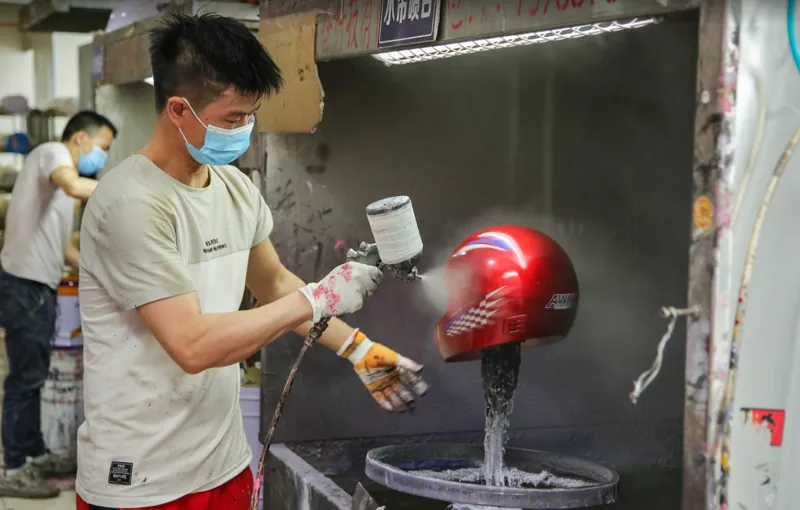
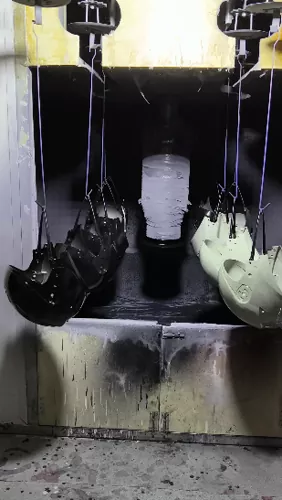
After the shell is molded, it moves to our electrostatic painting line. The finish is not only cosmetic: it is selected to resist UV exposure, rain, and daily wear. We check paint adhesion, color consistency, and surface appearance before assembly.
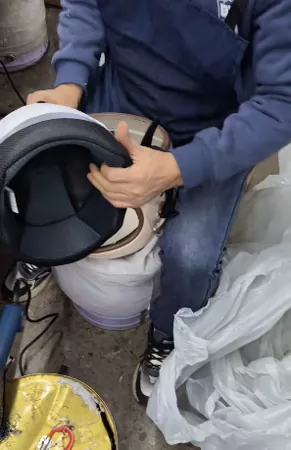
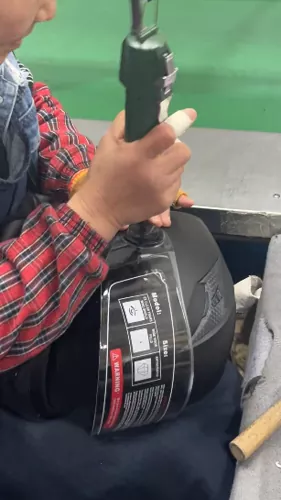
During assembly, we fit the visor, align the mechanism, sew and install the straps, and set up the ventilation components. Each critical station has an inspection point. For example, we check rivets, buckles, sliders, strap routing, and visor movement at the station where they are installed. This helps catch defects early rather than after the helmet has left the factory.
What buyers can verify: painting inspection records, assembly QC checklists, strap and buckle function tests.
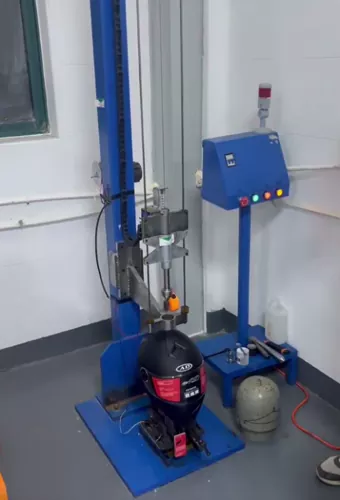
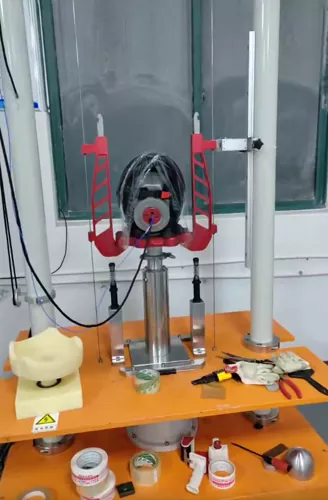
No helmet ships until it passes the required checks for its destination market. Our quality process includes both in-house inspections and, where required, third-party laboratory testing.
Typical checkpoints include:
Depending on the market, helmets are tested against standards such as ECE 22.06, DOT FMVSS No. 218, or GB 811-2022 / CCC. Destructive tests, such as impact absorption and penetration tests, are normally performed on batch samples rather than on every single helmet. Every helmet, however, goes through non-destructive production checks before packing.
Only helmets that pass the applicable tests receive the required certification mark and move to packing. We package each helmet to withstand normal export shipping conditions. A helmet that arrives dented or scratched is not acceptable, even if it performed well in the lab.
What buyers can verify: test report summaries, certification documents, batch sampling records, and packing inspection records.
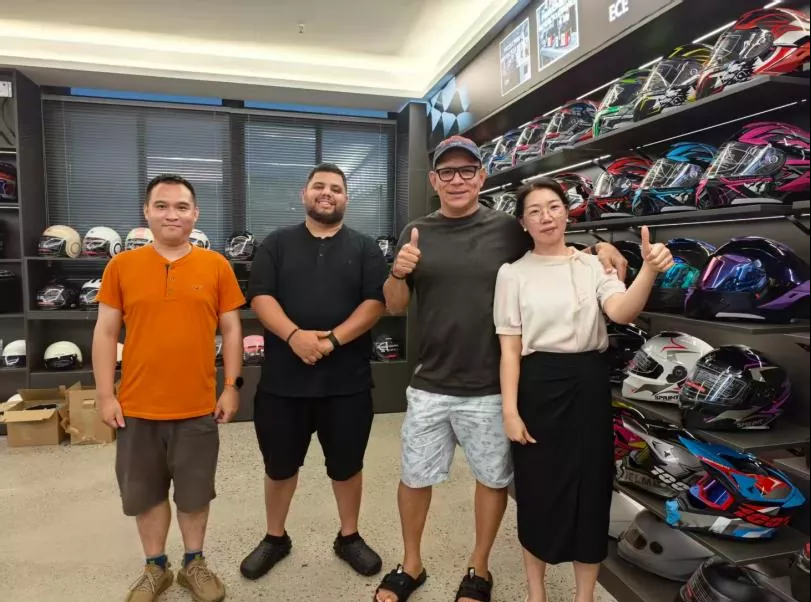
The entire process is managed in-house and documented on our production floor. For each order, we can trace the main stages from raw material to final packing. This includes material certificates, production logs, QC records, and test reports where applicable.
If you are evaluating a helmet manufacturing partner, we encourage you to:
We do not claim that one helmet model fits every market or every rider. Standards differ, and compliance must be confirmed for each model and destination. Our role is to provide a documented, repeatable manufacturing process so buyers can make informed decisions.