
Off-road riding exposes motorcyclists to unpredictable terrain, debris, and high-impact risks. This article explores how off-road helmets function, what features truly matter, and how to choose the right protection based on riding conditions. It also addresses common buyer frustrations such as poor ventilation, incorrect sizing, and insufficient safety standards. Whether you are a beginner or an experienced rider, understanding helmet engineering can significantly improve your safety and comfort on every ride.
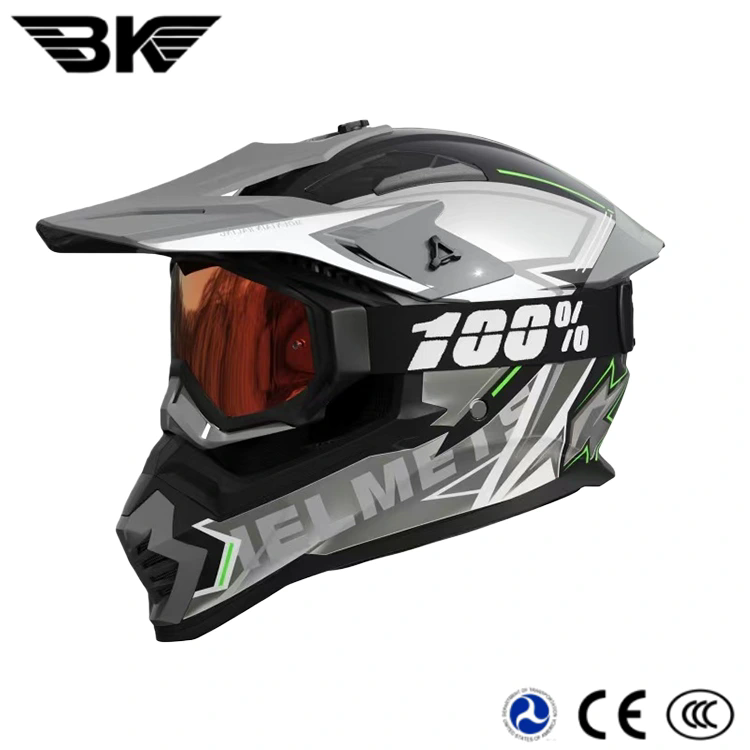
Off-road helmets are specialized protective gear designed for motocross, trail riding, enduro racing, and adventure riding. Unlike standard street helmets, they prioritize ventilation, weight reduction, and extended chin protection to accommodate physically demanding terrain and high-intensity movement.
Riders often underestimate how drastically off-road conditions differ from urban riding. Loose gravel, mud, jumps, and sudden obstacles require helmets engineered for maximum response under unpredictable impacts.
The primary function of an off-road helmet is impact absorption and head stabilization. However, their importance extends beyond basic protection:
Many riders experience discomfort or overheating with improper helmets, which can directly affect reaction time and safety.
Understanding helmet construction helps riders avoid common purchase mistakes:
A poorly ventilated helmet is one of the most common complaints among riders, especially in hot climates or during long-distance riding.
Different riding environments require different helmet designs:
| Helmet Type | Weight | Ventilation | Best Use Case |
|---|---|---|---|
| Motocross | Very Light | Excellent | Racing / Short Track Events |
| Enduro | Light | Good | Long Trail Riding |
| Dual-Sport | Medium | Moderate | Mixed Road & Off-Road Use |
| Adventure | Medium-Heavy | Balanced | Touring & Long Distance Travel |
Selecting the right off-road helmet is not just about appearance. Riders should evaluate:
One of the most frequent issues riders face is purchasing helmets that are either too loose or too tight, leading to discomfort and reduced focus during riding.
Proper maintenance extends helmet lifespan and ensures consistent protection:
Neglecting maintenance can reduce structural integrity over time, even if external damage is not visible.
Q1: How often should I replace an off-road helmet?
A: Typically every 3–5 years, or immediately after a crash.
Q2: Can I use a road helmet for off-road riding?
A: It is not recommended due to limited ventilation and reduced chin protection.
Q3: Why do off-road helmets not have face shields?
A: They are designed for goggles, which provide better airflow and dust protection.
Q4: What is the most important factor when choosing a helmet?
A: Fit and safety certification are the top priorities.
Off-road helmets are engineered for extreme environments where safety, visibility, and comfort must work together seamlessly. Understanding their structure and selecting the right type based on riding style can significantly reduce risk and enhance performance.
Riders often overlook small details such as ventilation design or weight distribution, but these factors play a critical role in long-term riding comfort and safety.
For riders seeking reliable protection solutions and high-performance helmet designs, Ningde Chief Pigeon Technology Co., Ltd. offers a wide range of off-road helmet options tailored for different riding needs.
Contact us today to explore professional-grade off-road helmets and get expert support in selecting the right protection for your riding journey.