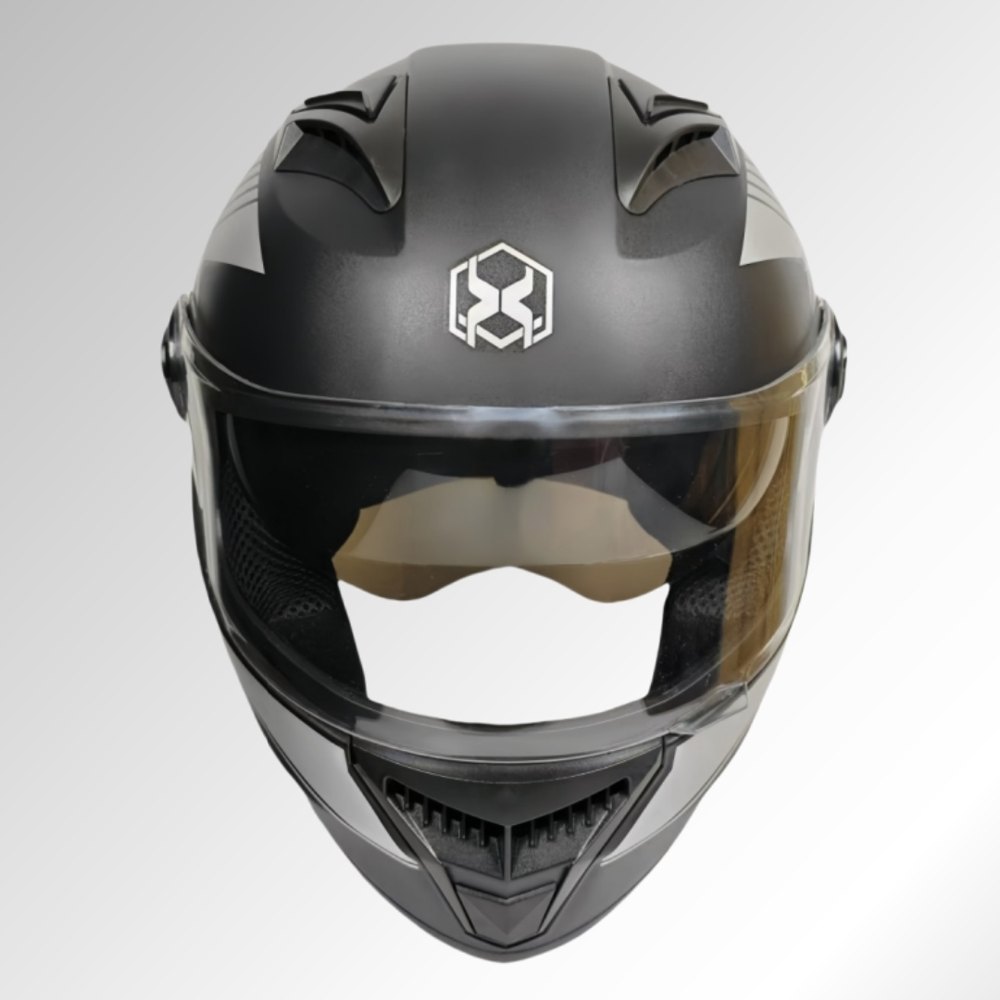

Motorcycle helmets have evolved far beyond simple impact protection. Today’s riders demand safety systems that reduce rotational forces – a leading cause of traumatic brain injury. MIPS (Multi‑Directional Impact Protection System) has become the gold standard in bicycle helmets, but its adoption in motorcycle helmets has been slower. That is now changing. Recent advances in MIPS technology – specifically the latest B‑series and ultra‑thin liner designs – are making rotational protection practical for street, off‑road, and racing helmets. For procurement managers and brand owners, understanding these innovations is key to offering next‑generation motorcycle helmets that save lives.
In a real crash, impacts are rarely straight on. Most are angled, creating rotational acceleration that tears brain tissue. Conventional EPS foam liners excel at linear G‑force reduction but do little to manage rotation. MIPS adds a low‑friction layer between the liner and the head, allowing the helmet to slide relative to the head during an oblique impact – reducing rotational energy by up to 40–50% depending on the test.
Until recently, MIPS for motorcycle helmets faced three practical barriers:
New developments have systematically addressed each barrier.
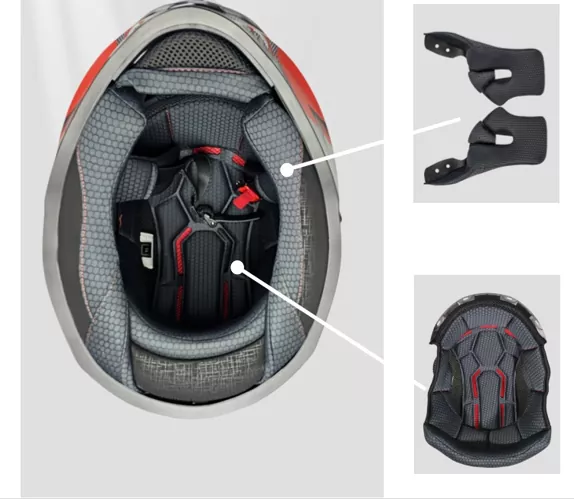
The latest MIPS Integra Split design uses a segmented, low‑profile membrane that is less than 2mm thick – half the thickness of earlier versions. It conforms to complex helmet shell shapes without creating pressure points. This makes it viable for full‑face motorcycle helmets where interior real estate is tight. Some manufacturers have even integrated the MIPS layer directly into the comfort padding, eliminating separate liner assembly.
Previous MIPS layers could block vents, making hot‑weather riding uncomfortable. New perforated MIPS designs with large cut‑outs align with helmet air channels. Independent wind tunnel tests show that modern MIPS‑equipped motorcycle helmets lose less than 5% of ventilation efficiency compared to non‑MIPS models – a negligible trade‑off for significantly better safety.
As MIPS becomes standard in mid‑range motorcycle helmets (not just premium), license fees have decreased. Large‑volume helmet manufacturers can now integrate MIPS for an additional BOM cost of only $8–12 per unit, while retail uplift remains affordable. This opens the door for brands to offer rotational protection as a standard feature, not an expensive option.
| Feature | Standard EPS Helmet | MIPS‑Equipped Motorcycle Helmet (2025+ Gen) |
|---|---|---|
| Rotational force reduction | None (0%) | 30–50% (depending on impact angle) |
| Liner thickness added | 0mm (base) | 1.5 – 2.5mm (MIPS Integra) |
| Ventilation loss | Reference | <5% (perforated liner) |
| Weight increase | N/A | 20–35 grams |
| Certification impact | ECE 22.06, DOT, CCC | Same standards, plus optional MIPS testing |
| Target price segment | Entry / mid | Mid / premium, but narrowing |
| Suitable for full‑face helmets | Yes | Yes, with custom shell mapping |
For procurement managers:Adding MIPS used to mean long lead times, complex assembly, and higher defect rates. New modular MIPS liners are pre‑cut for common shell sizes and can be installed in under 60 seconds per helmet during final assembly. Suppliers like Ningde Chief Pigeon Technology Co., Ltd. – with over 10 years of helmet manufacturing experience – have integrated this into their certified production lines (ISO 9001, CCC, DOT, ECE).
For riders:The old fear was that MIPS would make helmets bulky, hot, and uncomfortable. The new generation feels indistinguishable from a standard helmet – but provides measurable rotational protection. For urban commuters and long‑distance tourers, that is peace of mind without compromise.
For brand owners:MIPS is becoming a selling point that customers actively search for. By offering MIPS‑equipped motorcycle helmets at competitive price points, brands can differentiate from low‑cost competitors. The cost premium is now small enough to absorb or pass through without losing volume.
Here is a practical checklist:
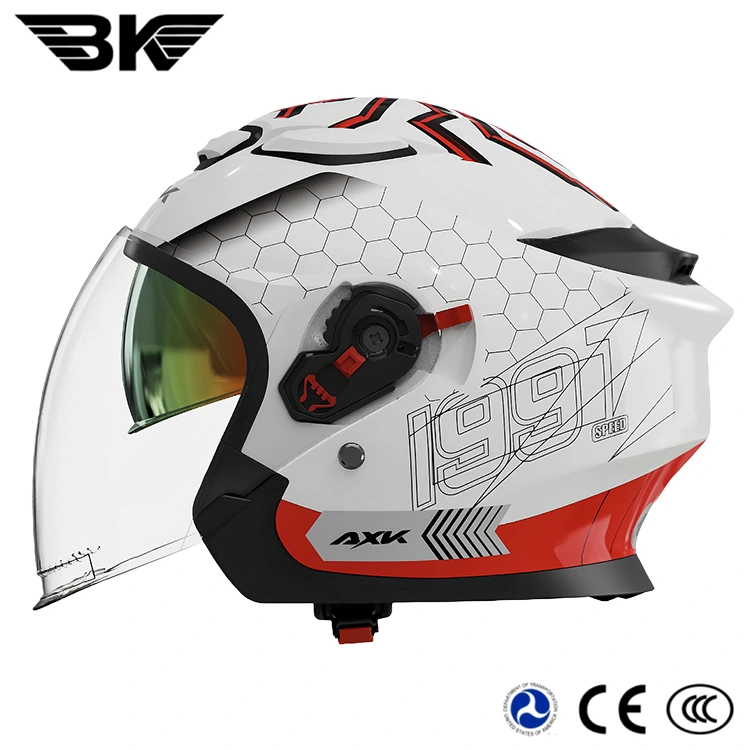
| Parameter | Typical Entry‑Level Helmet | MIPS‑Enhanced Helmet (2025 Standard) |
|---|---|---|
| Rotational protection | Not measured | Meets MIPS performance criteria (≥30% reduction) |
| Liner system | Single density EPS | EPS + MIPS Integra low‑friction layer |
| Helmet weight (full‑face, M) | 1450 – 1600g | 1480 – 1640g (negligible increase) |
| Ventilation ports | 4–6 | 4–6 with aligned MIPS perforations |
| Certifications held | DOT / CCC / ECE 22.05 | DOT / CCC / ECE 22.06 + MIPS ready |
| Removable liner | Usually | Yes, MIPS layer also removable |
| Customisation options (logo, colour) | Yes | Yes (MIPS logo placement available) |
| Typical MOQ (units) | 500 – 1000 | 500 – 1000 (no extra minimum) |
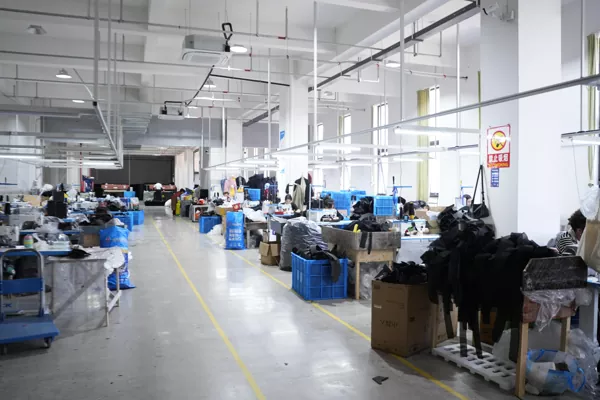
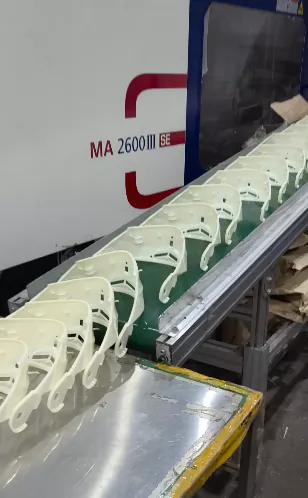
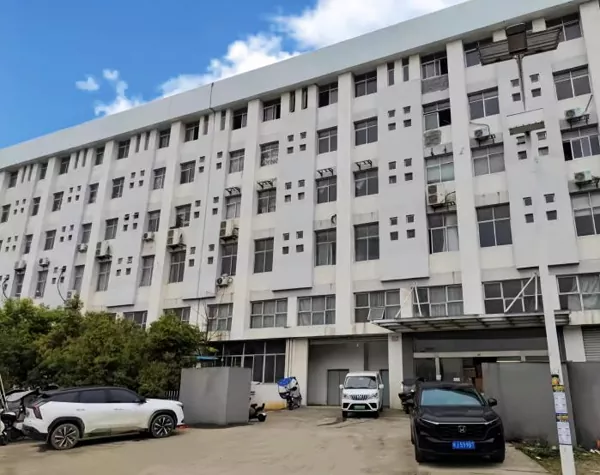
Integrating MIPS into motorcycle helmets is not just buying a license – it requires production discipline. Ningde Chief Pigeon Technology Co., Ltd. has three dedicated helmet factories, over 10 years of experience, and certifications including CCC, DOT, ECE. Their independent R&D team can provide professional design advice on logo, colour, style, and packaging customisation – including MIPS integration without delaying production schedules.
Their “craftsman spirit” approach ensures that every MIPS liner is correctly installed, every shell passes quality checks, and every batch meets international standards. For people looking to bring MIPS‑equipped motorcycle helmets to market quickly and reliably, Chief Pigeon offers the scale and expertise needed.
The technology has matured. MIPS for motorcycle helmets is now thin, cool, and cost‑effective. Early adopters will gain a safety advantage and a clear marketing story. Within three to five years, rotational protection may become as standard as chin straps and visors. Procurement managers who start sourcing MIPS‑ready motorcycle helmets today will be ahead of the curve – and offer riders what they truly need.