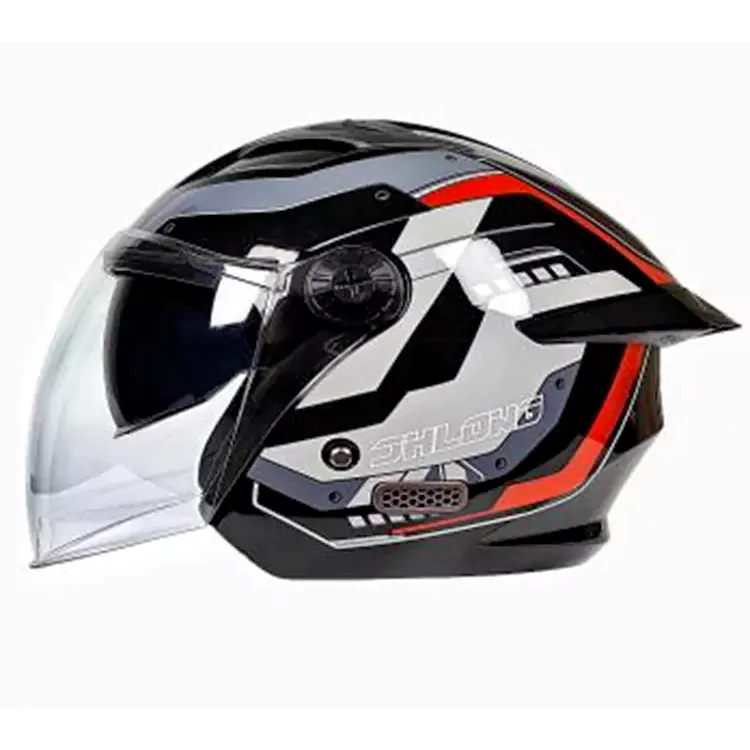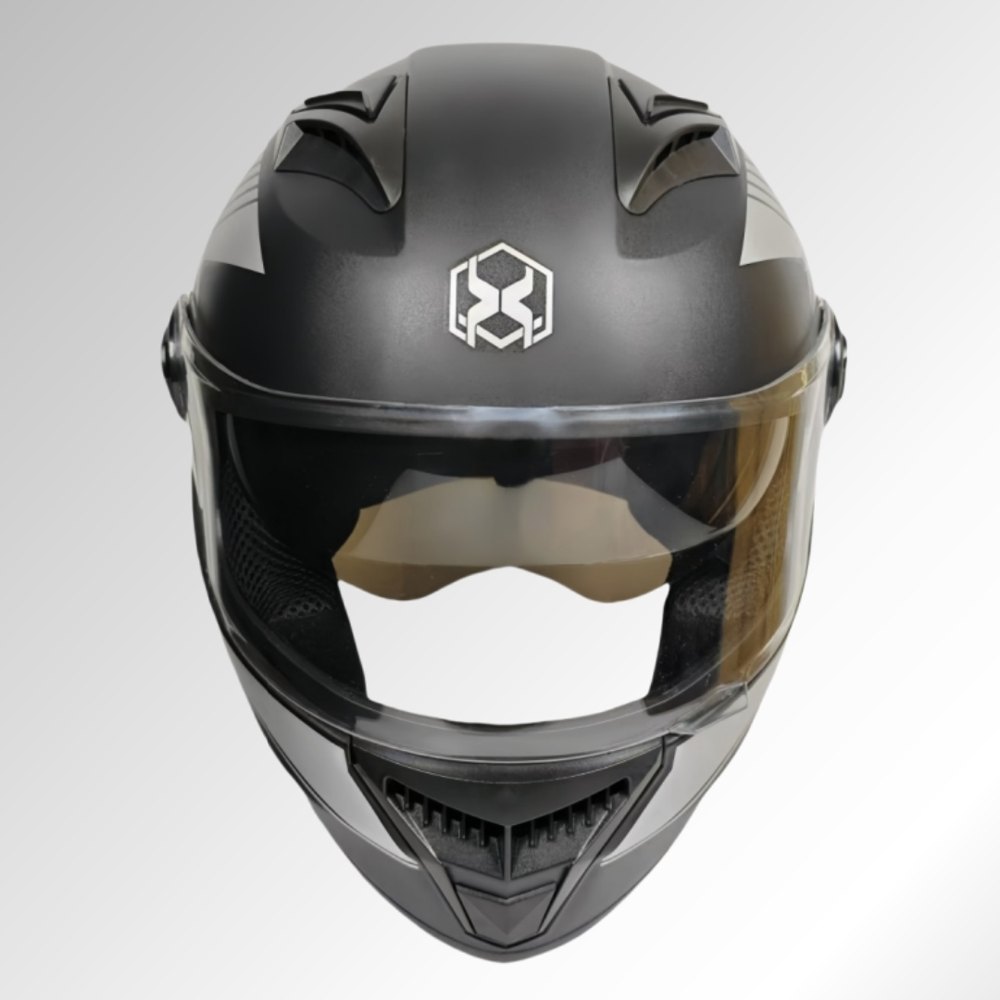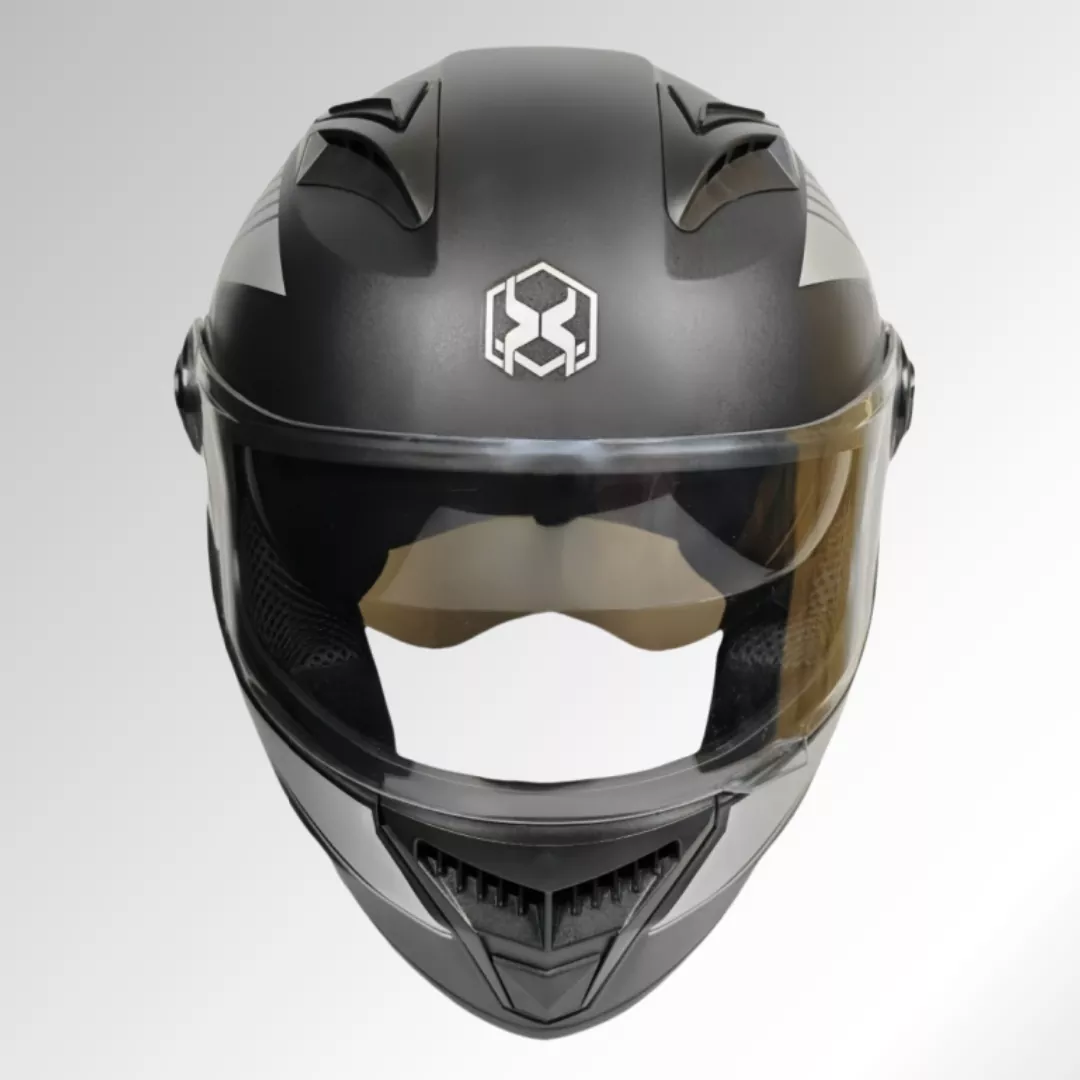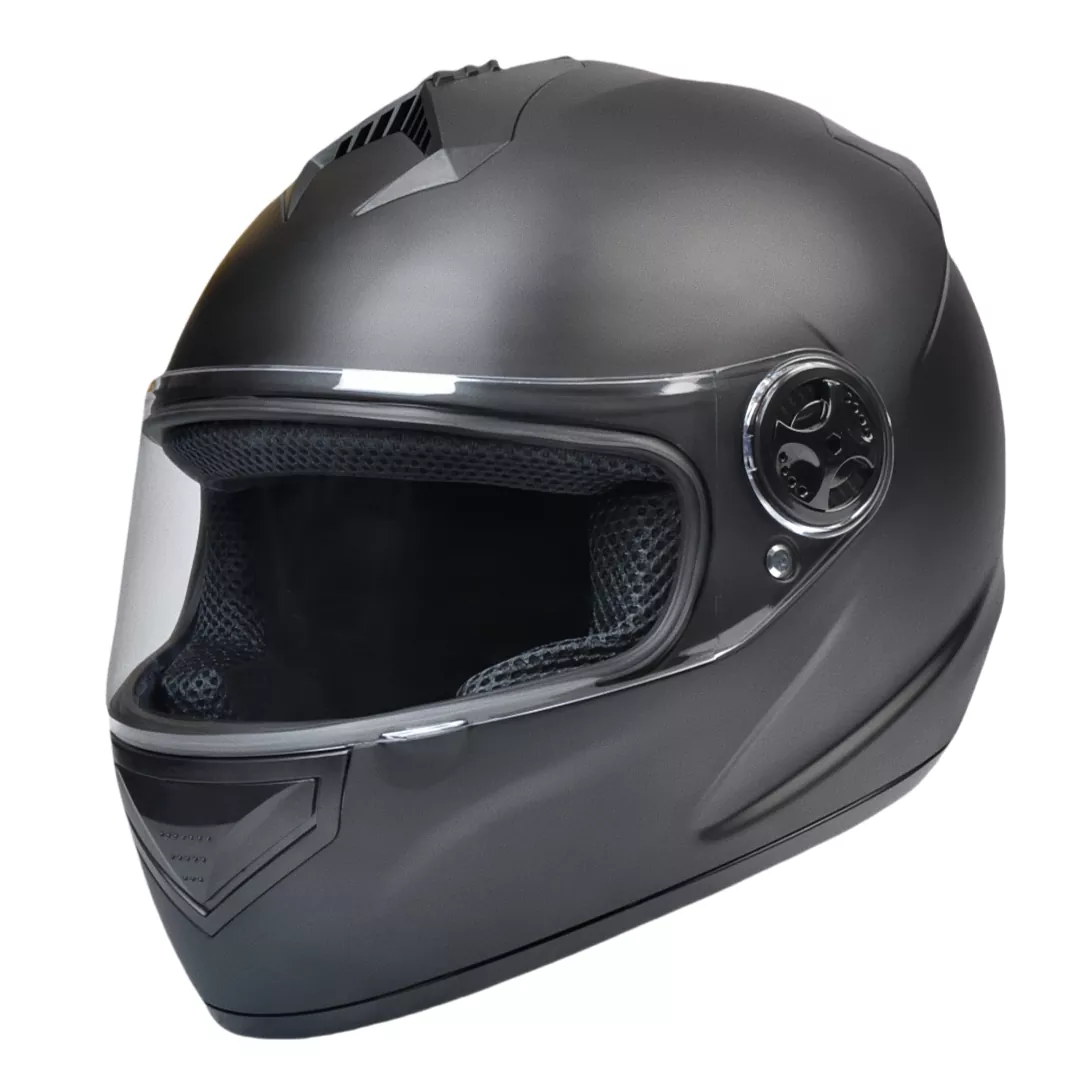

A helmet isn't there to make a crash feel like nothing—its whole reason for existing is to stop your brain from getting injured. Picture what actually happens when a rider's head hits the pavement: the skull comes to a near-instant dead stop, but the brain, thanks to inertia, keeps lunging forward and smashes into the inside of the skull. That, right there, is the core mechanism driving concussions.
What a properly built helmet does in that split second comes down to three tightly choreographed moves. First, there's force dispersion—it takes the brute energy that's all focused on one small spot and spreads it out over as much surface area as possible. Next comes energy absorption, where the helmet's structure deforms in a controlled, sacrificial way to eat up a huge chunk of that kinetic energy. And finally, you've got deceleration extension, which is really just a fancy way of saying it stretches out the moment of impact. By giving the head a tiny bit more time to come to rest, it brings the peak acceleration down sharply—so the brain doesn't get slammed around quite so violently. When you strip it all down, what separates an okay helmet from a truly excellent one isn't some macho idea of “taking a hit without cracking.” It's how efficiently the thing manages energy once the chaos has already started after the collision occurs.
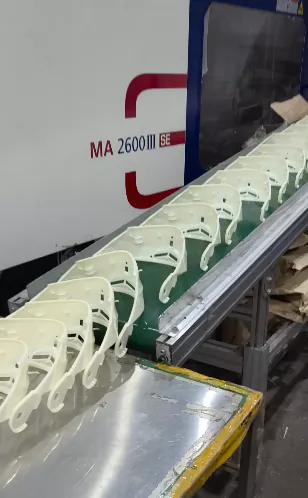
The outer shell has two main jobs: spreading out the impact force and keeping sharp stuff from punching through. When the shell is stiff enough, it takes a hit that would otherwise be concentrated in one tiny spot and fans it out across a much larger area—basically buying the inner liner extra room to do its thing. If the shell turns out too soft, the energy doesn't get dispersed; it drills straight through at a single point and hammers the layers underneath.
On the market right now, you're mostly looking at three shell materials. ABS engineering plastic keeps costs in check and the manufacturing process is well sorted, but it leans toward the heavier side, so it's really most at home with city commuting. Fiberglass composite (FRP) hits that middle ground between strength and weight; the directional weave of the fibers lets engineers dial in better impact resistance exactly where it's needed, which is why you see it all over the mid-range segment. Then there's Carbon fiber/Kevlar composite—the standout for strength-to-weight and sheer lightness. Pure carbon fiber on its own tends to be brittle, so high-end helmets almost always go with hybrid weaves that marry carbon's stiffness to Kevlar's toughness. Unsurprisingly, carbon fiber costs dramatically more than the other two, and the precision demanded in both molding and quality control is on another level entirely.
EPS (Expanded Polystyrene) is, at its core, a material designed to save your head by destroying itself in a beautifully controlled way. When an impact hits, those countless microscopic bubbles packed inside the EPS get crushed and rupture almost instantly—turning kinetic energy straight into heat and slashing the force that actually makes it through to your skull.
The real engineering headache sits in the density choice. Go with a high-density EPS, and it's brilliant at eating up heavy, high-energy slams—but when the hit is lighter, that same stiffness works against you, refusing to deform in time to dissipate energy properly. That's exactly why top-tier helmets reach for multi-density EPS: a softer, lower-density outer layer to mop up the smaller everyday knocks, backed by a firmer, high-density inner layer that's held in reserve for the big ones. The result is a much smoother, more dialed-in energy absorption curve across the whole range of impact intensities. And here's the thing you can't ignore—EPS is strictly single-use. One hit, and it's done. After an impact, even if no external damage is visible, the internal bubble structure has been permanently compromised and the helmet must be replaced. This is the scientific basis for the rule that any helmet involved in an impact should be immediately retired.
The outer shell and the EPS liner don't work in isolation—they're built as a tightly choreographed pair. When everything goes according to plan in a hit, here's what the sequence actually looks like: first, the outer shell makes contact with the ground and spreads that point load out across a much wider area. Next, that distributed force sets off a controlled, progressive crush through the EPS liner. As the EPS breaks apart in this carefully designed way, it gobbles up energy and dials the leftover force down below the injury threshold. Finally, the comfort liner steps in to handle those last few millimeters of cushioning, which is really about keeping your head from bottoming out. If the outer shell ends up too soft, force dispersion falls apart, and the EPS can only do its job in a tiny, localized spot instead of across the whole liner. If the EPS density is incorrectly chosen, the liner may remain intact when it should be fracturing, allowing energy to transfer directly to the head. The finest designs ensure that both materials perform their intended roles precisely at each stage of an impact.
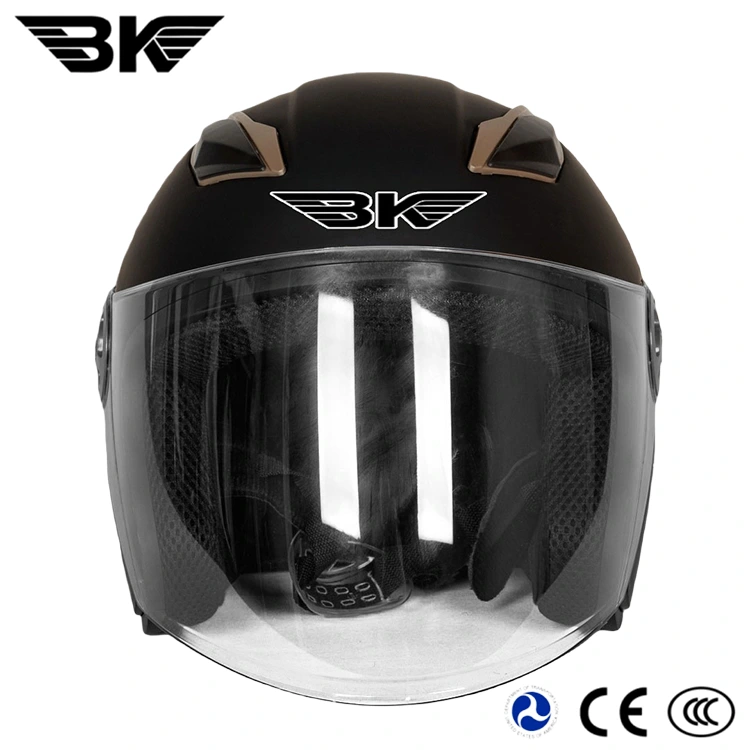
When it comes to buckles, the Double D-ring is about as simple as it gets, with a failure rate that's practically zero—that's why it's the go-to on racing helmets. Quick-release buckles are definitely more convenient, but you'll want to take a close look at the materials and how solid the locking mechanism really is.
For the visor locking mechanism: friction alone won't cut it. Quality helmets put a mechanical catch dead center on the visor to stop it from flying open at high speed.
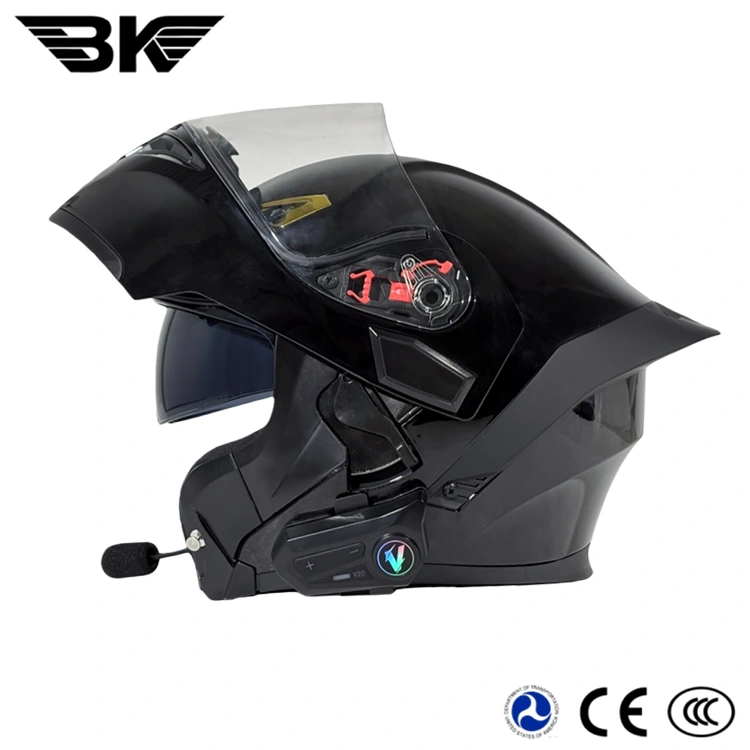
And don't sleep on the Emergency quick-release system. Those pull straps built into the cheek pads let paramedics slide the helmet off while barely moving your neck. It's the kind of detail nobody thinks about until they really, really need it. Neck roll geometry: Poorly contoured lower rear sections of a helmet can push the helmet upward during aggressive tuck positions, interfering with the rider's line of sight and body posture.
First, physically inspect the certification label sewn or affixed inside the helmet. ECE 22.06 is currently one of the most trustworthy global standards. Press your thumb against the EPS liner where accessible and feel for uniform rebound consistency; there should be no locally soft or abnormally hard areas. A full-face helmet weighing under 1200g without high-end carbon fiber construction should raise concerns about compromised EPS thickness or density. If a helmet has ever been dropped from a height of one meter or more, or has experienced any collision — even if it looks flawless — it should be retired.
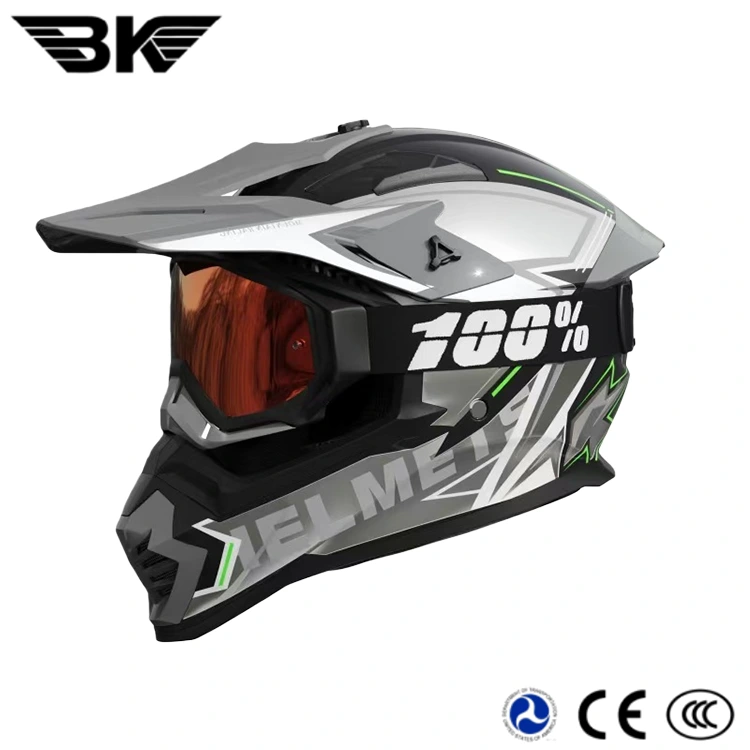
Does a heavier helmet offer better protection? No. Excessive weight increases inertial loading on the neck during an impact. How well a helmet actually protects you comes down to the engineering behind its shell and EPS liner—it's never just about the number on the scale. So why do carbon fiber helmets cost so much? For starters, the raw materials are way pricier right out of the gate. Then there's the molding process, which is a lot more involved and labor-intensive. On top of that, the quality control bar is set brutally high, meaning they end up scrapping a much bigger chunk of what comes off the production line. Compare that to ABS or fiberglass, and you're looking at a whole different league of expense at every single step. The price reflects research and development validation as well as certification testing investment. Is multi-density EPS necessary? It provides a more refined response across different impact severities. However, when budgets are limited and riding risks are controllable, a certified single-density EPS helmet still provides reliable fundamental protection. Do off-road helmets follow the same protection principles? The core principles are identical. Now, off-road helmets are a different beast altogether. They come with a noticeably larger face opening and a chin bar that juts out further, which means you can't just slap on a standard shield—you've absolutely got to pair them with goggles. That setup is what handles all the flying rocks, mud clumps, and the kind of frontal knocks you're bound to catch when you're tearing across unpaved terrain.
A carefully woven fiber shell, a multi-density EPS liner, and a handful of seemingly minor design details — this is the only physical barrier between you and the pavement. Once you've got a handle on the engineering behind it, you'll see straight through all the flashy marketing noise and start asking the questions that actually count. At the end of the day, a clear-eyed decision is what keeps the one person who matters most safe—and that's you.
Ningde Chief Pigeon Technology Co., Ltd., offers professionally certified helmets featuring composite materials and multi-density EPS, covering full-face, off-road, and modular categories. Contact us to match reliable protection to your ride.