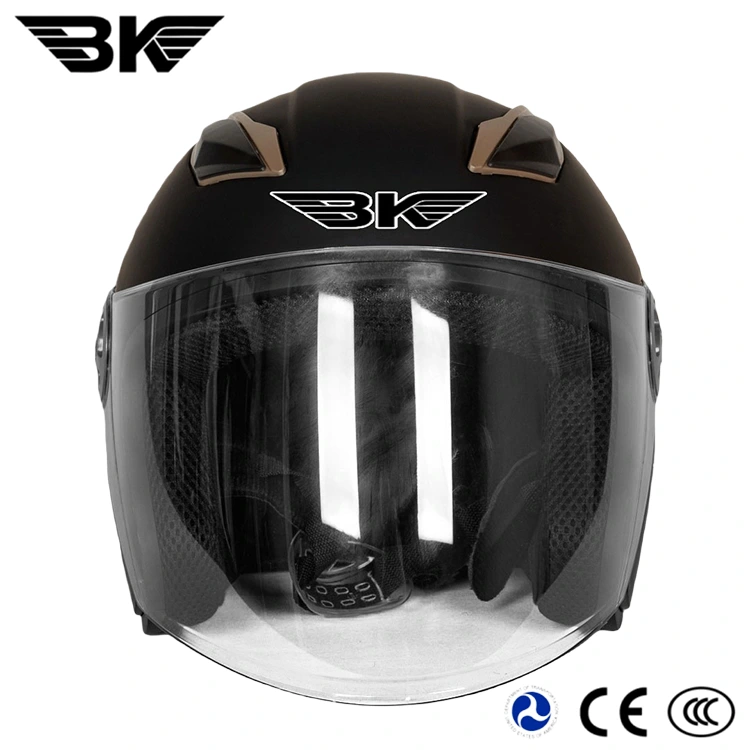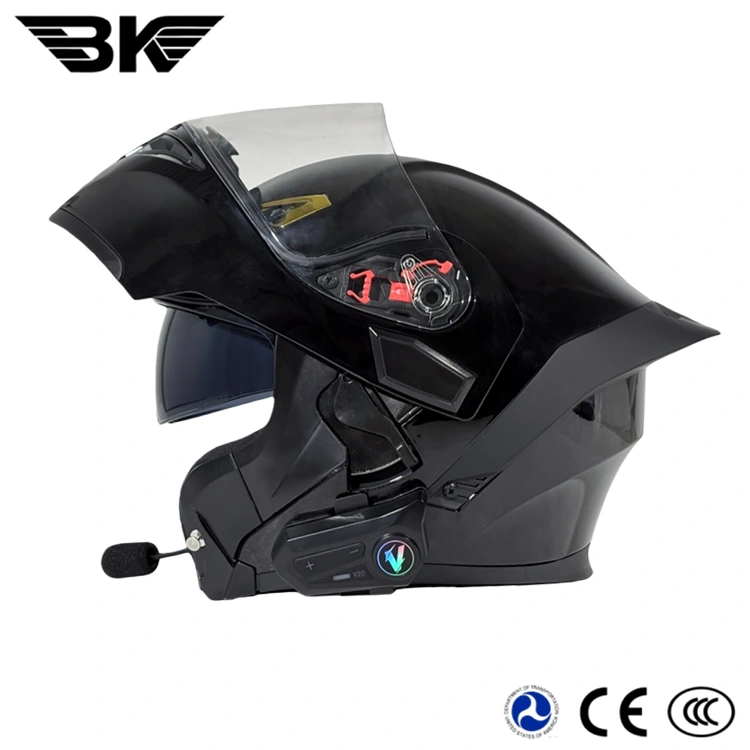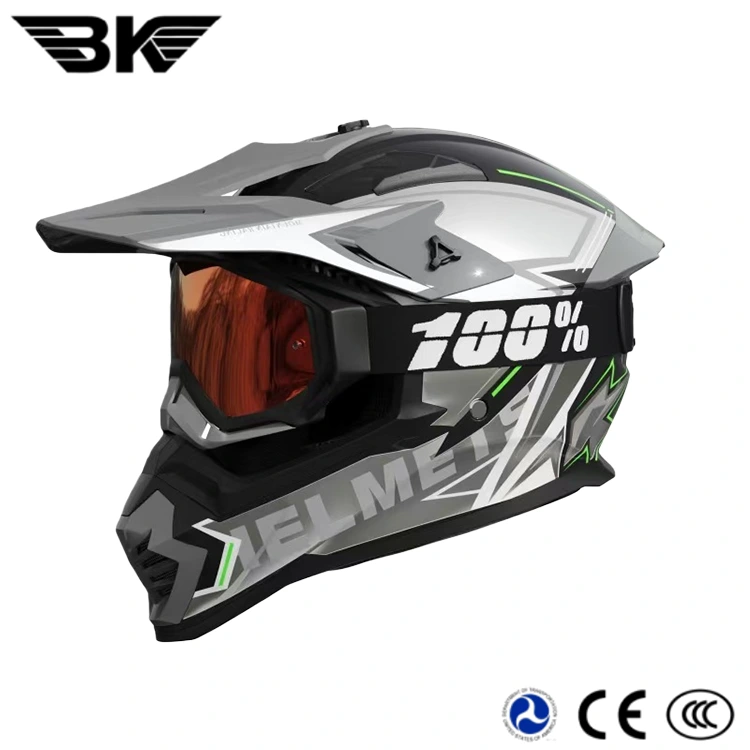

Walk into any gear shop or scroll through a few websites, and it's easy to get completely overwhelmed by the sheer number of helmet choices out there. A lot of riders just freeze up when it's actually time to pull the trigger on a purchase. You've got Full-face, Modular, Open-face, Off-road—which one actually makes sense for the kind of riding you do? This piece lays out a clear, no-nonsense way to think about picking a helmet. We'll go through everything that matters: where you ride, how to measure that odd-shaped head of yours, what those safety stamps actually mean, and why shell materials aren't all created equal. The goal here is to keep you from walking into one of those classic buyer's traps. Doesn't matter if you're just slogging through city gridlock, carving up a back road on a Sunday morning, or clocking serious miles on a multi-day tour—once you've got these basics down, you'll be in a much better spot to find that sweet spot where feeling safe meets feeling comfortable.
Choosing a motorcycle helmet seems straightforward, but it involves numerous variables that are often overlooked. Many first-time buyers focus on just two factors: price and appearance.
However, an ill-fitting helmet brings consequences far beyond "not looking good":
A helmet is the one piece of riding gear with zero margin for trial and error. Choose correctly once, and it serves you for five years. Choose wrong once, and every wear becomes a form of endurance.
Before diving into specific models, answer this question: In what environment do you primarily ride?
Different scenarios demand vastly different functional priorities from a helmet. Here are four typical riding environments and their corresponding core requirements:
Riding Scenario: Urban Commuting
Core Requirements: Lightweight, wide visibility, easy on/off
Typical Pain Points: Frequent removal causes faster liner wear
Riding Scenario: Canyon / Twisties
Core Requirements: High rigidity, aerodynamics, snug fit
Typical Pain Points: Excessive weight affects cornering posture
Riding Scenario: Long-Distance Touring
Core Requirements: Comfort liner, low wind noise, Bluetooth compatibility
Typical Pain Points: Wind buffeting and pressure sap stamina
Riding Scenario: Track / Aggressive Riding
Core Requirements: Maximum protection, top-tier certification, lightweight
Typical Pain Points: Poor ventilation leads to overheating
Once you clarify your usage scenario, the subsequent choice of helmet type gains clear direction.
Figuring out what each helmet style was actually built for is step one if you want to get this decision right.
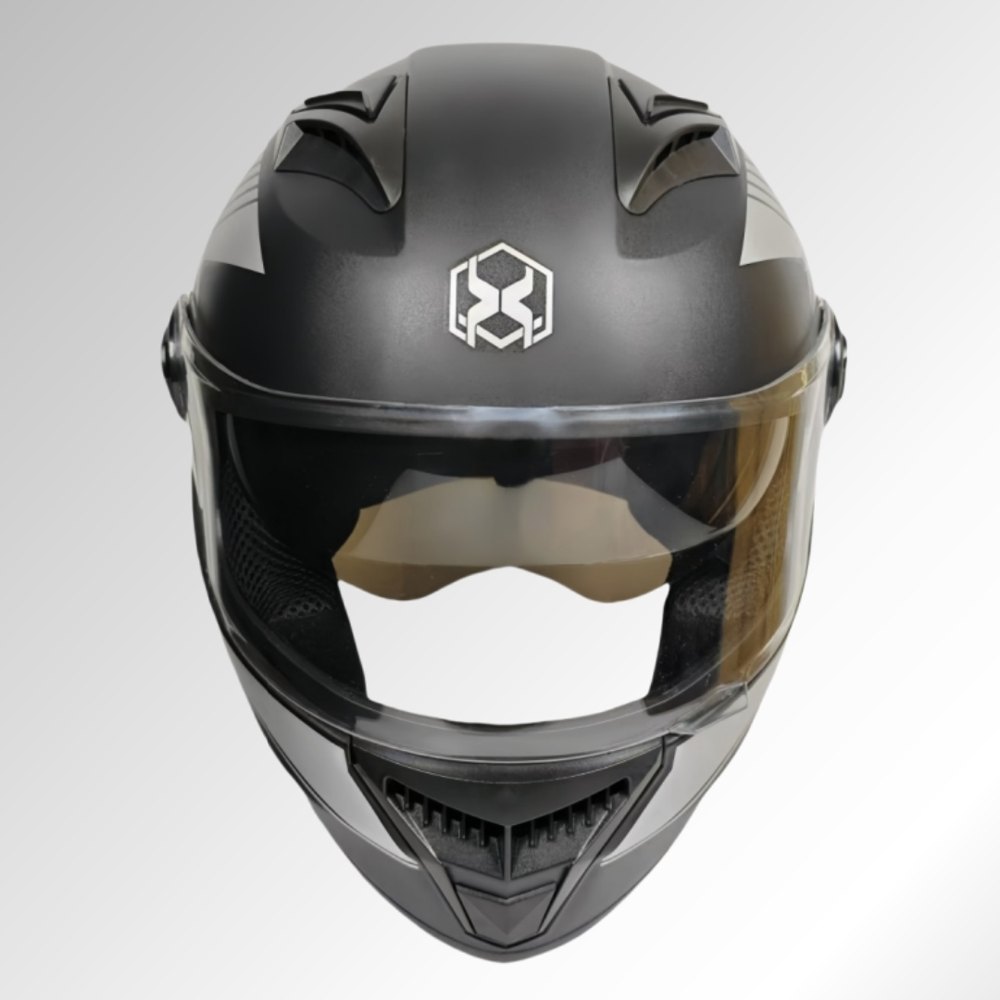
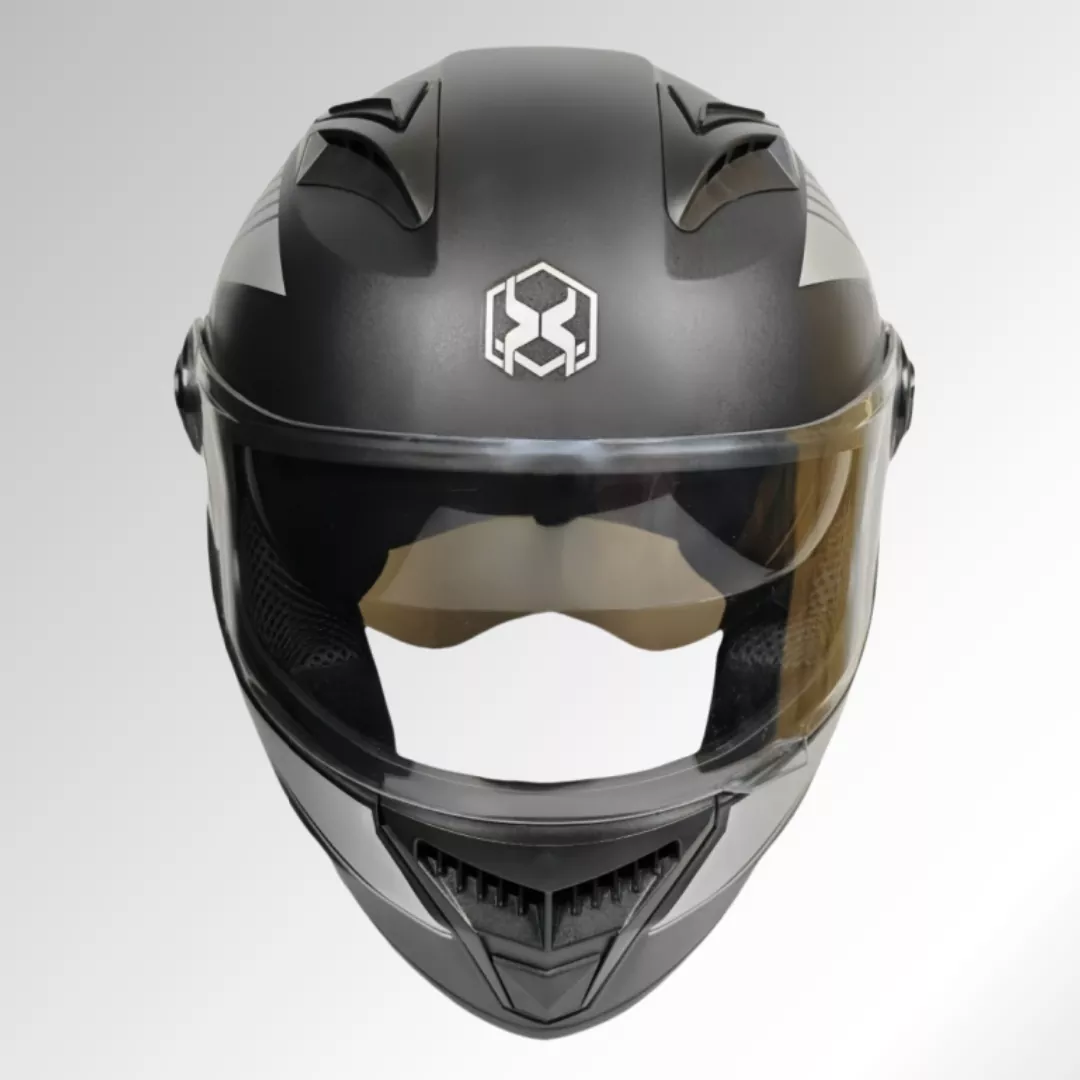
Full-Face Helmet
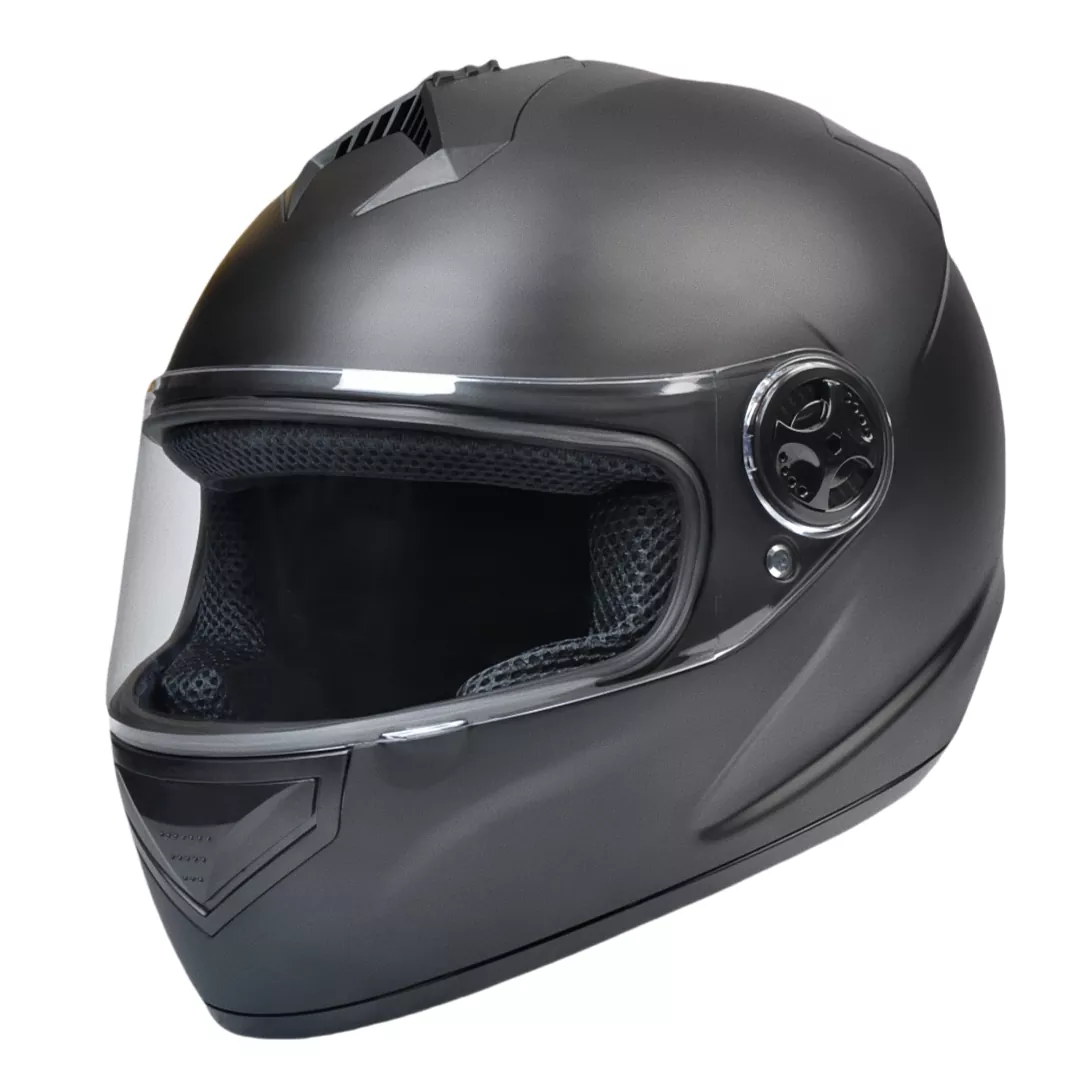
This one gives you the most complete coverage going—chin included. The shell is one solid piece, so the overall structural integrity is about as good as it gets. It's the natural pick for canyon carving, track time, and any kind of high-speed cruising where the stakes are a bit higher. The downside? Airflow isn't exactly generous, so things can get pretty muggy when you're crawling through town in July.
Modular Helmet (Flip-Up)
The chin bar swings up out of the way, which sort of gives you the protection of a Full-Face Helmet with the everyday ease of an open-face design. This one really shines on long tours and for anyone who's constantly hopping between back roads and town stops—you can ask for directions, grab a sip of water, or fish out some change at a toll booth without wrestling the whole lid off your head. The catch is that hinge setup adds a bit of heft and kicks up the wind noise.
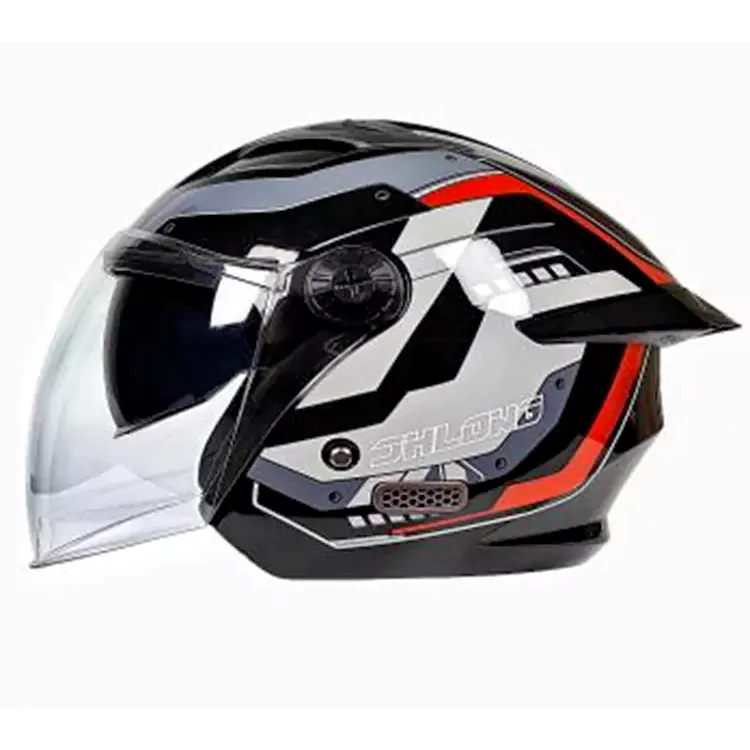
Open-Face Helmet (Three-Quarter)
Leaves the whole face out in the breeze, so visibility is wide open and ventilation is never an issue. Vintage bike folks and city riders tend to gravitate toward these. Fair warning though: there's zero protection for your chin. If things go sideways, the odds of a facial injury are a whole lot higher than if you'd been wearing a full-face.
Half Helmet
Just covers the top of the dome and that's about it. It's crazy light and you feel about as free as you're going to get on two wheels. You see these a lot on Harley cruisers and with people just putting around town at lower speeds. Coverage area is minimal, so taking this thing north of 60 km/h (37 mph) isn't something I'd recommend.
Off-Road Helmet
Built with an extended chin bar, that big visor peak sticking out front, and a ton of vents punched through. The whole design is meant for stand-up riding and loose, unpaved terrain. You absolutely have to pair it with goggles because that wide-open eye port isn't going to take a regular face shield.
Dual Visor Full-Face Helmet
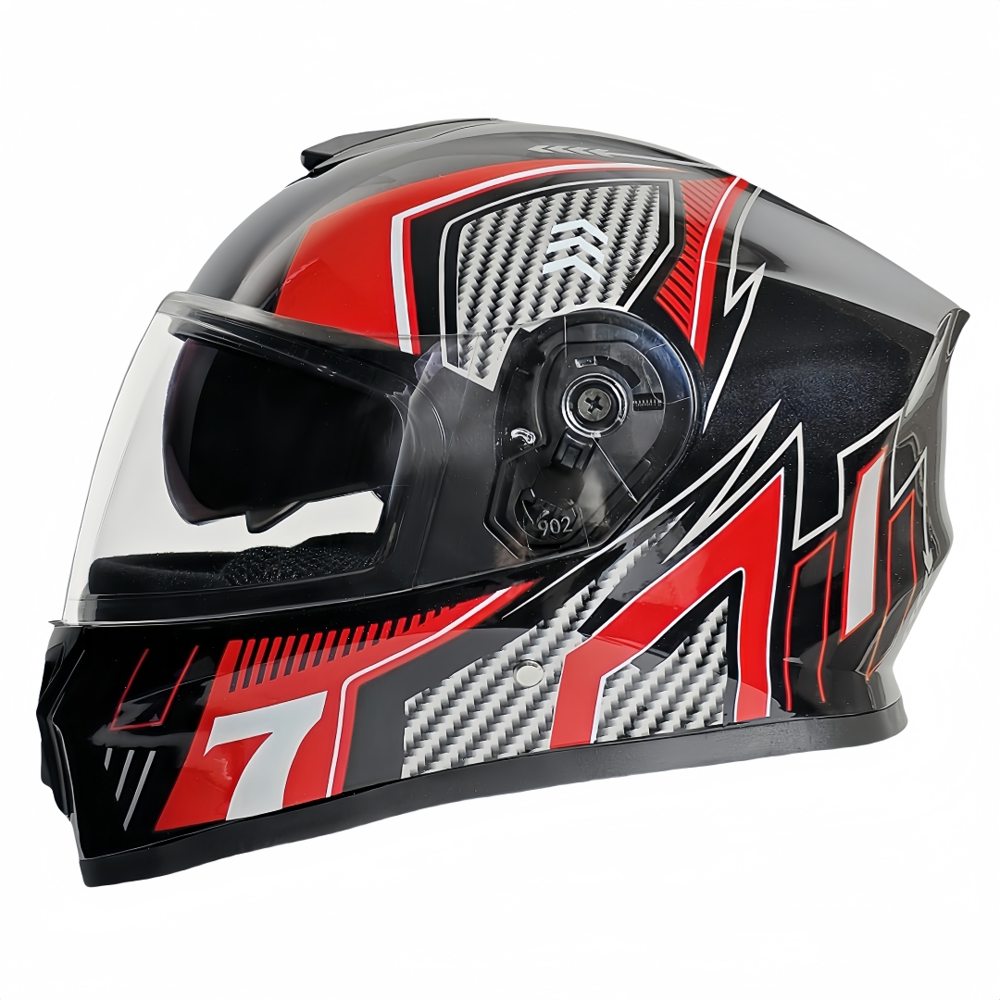
Takes a regular Full-Face Helmet shell and sneaks a drop-down tinted visor inside. With one flick, you can go from clear to shaded without swapping a thing. It's basically a perfect fix for that low-angle sun glare that tries to blind you during the morning and evening slog—saves you from having to lug around an extra dark shield.
| Helmet Type | Protection Level | Weight | Field of View | Best Suited Scenario |
|---|---|---|---|---|
| Full-Face | ★★★★★ | Medium-Heavy | Medium | Canyon / Track / Highway |
| Modular | ★★★★☆ | Heavy | Medium | Touring / Mixed Rural-Urban |
| Open-Face | ★★★☆☆ | Light | Excellent | Urban Commute / Vintage Cruising |
| Half Helmet | ★★☆☆☆ | Very Light | Excellent | Low-Speed Cruising |
| Off-Road | ★★★★☆ | Light | Wide | Enduro / Trail Riding |
| Dual Visor Full-Face | ★★★★★ | Medium | Medium | All-Weather Commuting |
This is the most critical, non-negotiable step in the entire selection process.
Measurement Method:
Use a soft measuring tape around the circumference of your head, approximately 2 cm (about 0.8 inches) above the eyebrows—the widest part of the head. Measure three times and take the average.
Fit Evaluation Criteria:
Common Mistake:
Many riders choose one size larger to avoid cheek pressure. In reality, the inner liner will naturally compress and conform to your face after 20-30 hours of use. A helmet that is too large can allow a secondary impact against your head during a collision—an extremely dangerous situation.
Certification marks are the baseline guarantee of a helmet's safety performance. Different certifications correspond to different testing protocols:
| Certification | Applicable Region | Testing Characteristics |
|---|---|---|
| DOT | North America | Manufacturer self-certification with random spot checks; threshold is relatively lower. |
| ECE | Europe / Global | Mandatory third-party testing; highest global recognition. |
| SNELL | Global (Track-focused) | Independent non-profit certification; most stringent standards. |
| CCC | China | Legal prerequisite for domestic sales. |
| JIS | Japan | Rigorous tiered classification system. |
Selection Advice:
Prioritize helmets certified under ECE 22.06. This is currently the most widely adopted and stringent global standard. DOT certification can serve as a reference but should not be the sole basis for a safety decision.
The helmet's outer shell material directly determines the relationship between weight, strength, and price.
Regarding Weight:
A full-face helmet generally tips the scales somewhere between 1400g and 1650g. Shave off even 100g from that figure, and you'll genuinely start noticing the difference on a long haul—your neck just doesn't feel as fried by the end of the day. That said, there's a catch to keep in mind: a helmet that comes in suspiciously light might be skimping on the thickness of the EPS (Expanded Polystyrene) liner, which means it won't soak up impacts nearly as well. Finding that sweet spot between staying safe and keeping the weight down really comes down to how good the manufacturer's engineering team is at their job.
Even with the correct size and proper certifications, the following details can turn a helmet into a daily burden:
Question 1: Does "more expensive" mean "better"?
Not necessarily. A higher price tag usually means the manufacturer's invested in nicer materials, shaved off some weight, and put more effort into the aerodynamics. But let's be real—if all you're doing is pedaling five kilometers into town, a mid-range full-face lid with ECE certification is going to handle that just fine. The whole point is matching the helmet to what you actually do on a bike, not just throwing money at the top shelf for the sake of it.
Question 2: I've heard wearing a leather helmet is riskier than a full-face. Any truth to that?
We'd strongly advise against it. When there's an impact, the EPS liner that takes the hit ends up with tiny internal cracks you can't even see, and once that happens, the protection it offers just isn't coming back.
Question 3: Can I pick up a second-hand helmet?
We'd say steer clear of that. The EPS liner meant for absorbing impact gets compromised with micro-cracks after a knock, so its ability to shield you drops off permanently. Plus there's the big unknown: you've got zero way of knowing if the previous owner ever laid the bike down while wearing it.
Question 4: How long do the shock-absorbing pads hold up?
Most manufacturers tell you to swap them out after five years of actual use, or seven years from the production stamp. Over time the inner padding gets squashed down and the materials just age, so that protective cushioning slowly fades away.
Question 5: What's the fix for all that racket when it rains?
Grab a pair of noise-filtering earplugs. It's not some fancy extra—it's a basic move to save your hearing. Cruising on the highway with the throttle open, the wind roar pushing past your ears will sail right past 100 decibels without even trying.
Choosing a motorcycle helmet is a whole different ballgame compared to impulsively grabbing a jacket off the rack. It's not something you should rush into—it honestly calls for a good bit of patience and some pretty specific insight. Before you settle on one, you really have to weigh where you tend to ride most often, how your head is actually shaped, and what kind of safety features you're truly going to rely on out there on the road.
When it comes down to it, a helmet that fits properly is the main line of defense—and frequently the only one—keeping your head off the asphalt. For anyone serious about real protection, Ningde Chief Pigeon Technology Co., Ltd., offers high-performance full-face, modular, and off-road helmets. Whether dealing with city gridlock or pushing limits on a circuit, their range has a suitable option.
If you'd like some expert input on zeroing in on the right model for your particular way of riding, feel free to give us a shout. You can get in touch with our staff any time; we're here to go over the details and help you figure out which specific style and features make the most sense for you.