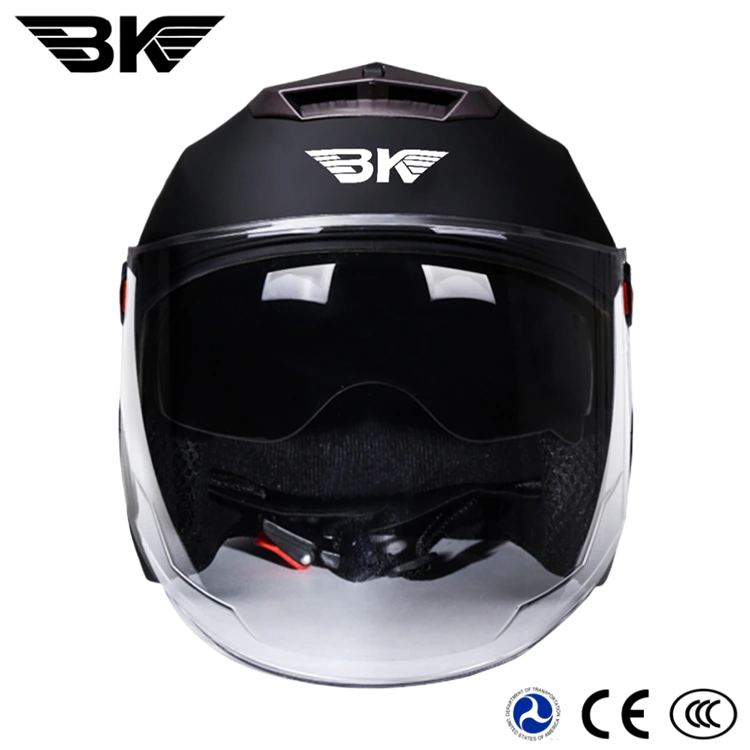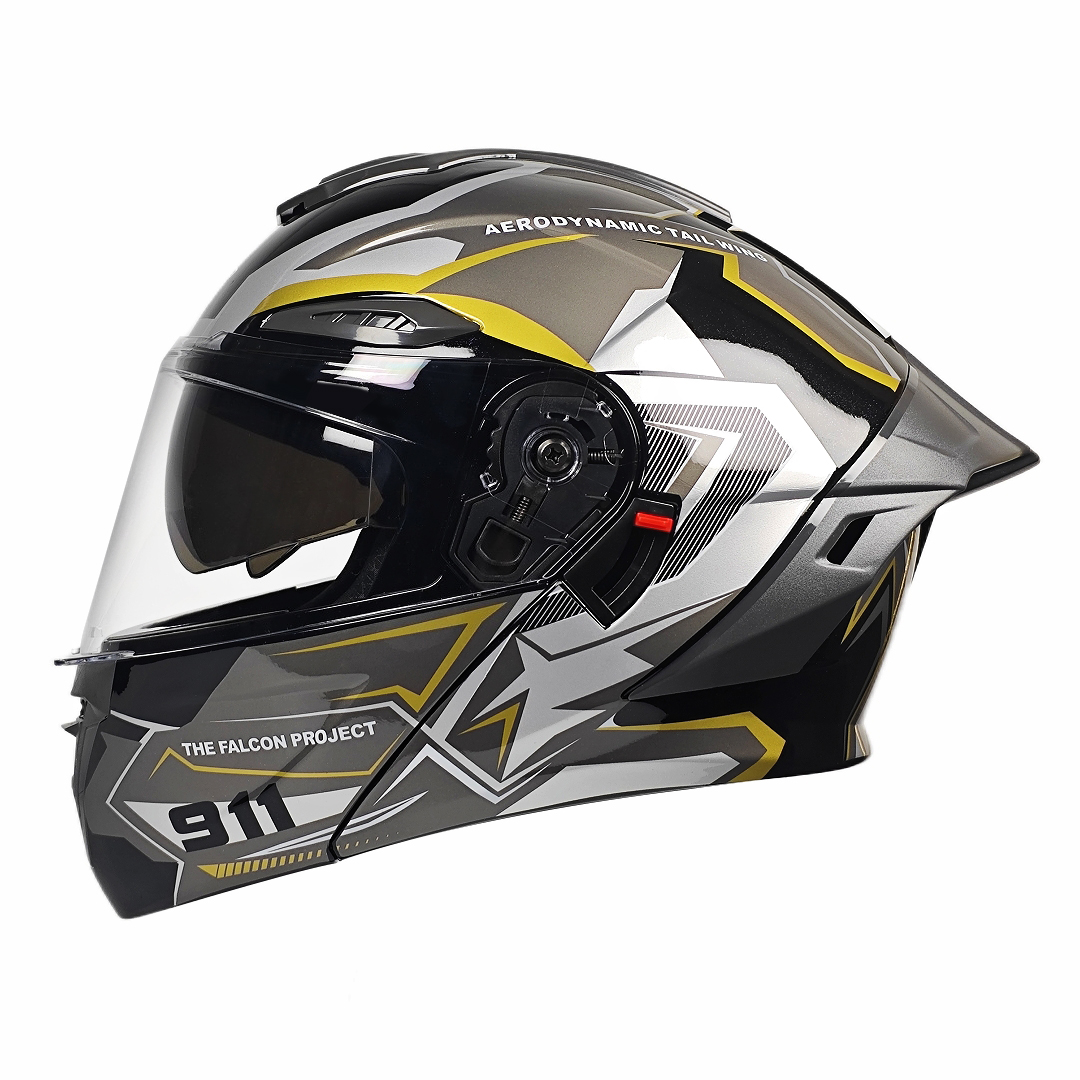

Helmet prices are all over the map, and the single biggest thing driving that spread is the shell material. This is the thing that really decides how heavy the helmet sits on your neck, how much protection it can actually deliver, and what it ends up costing to make. When you're sorting through your options and getting ready to buy, this is the one factor you need to keep your focus locked onto.

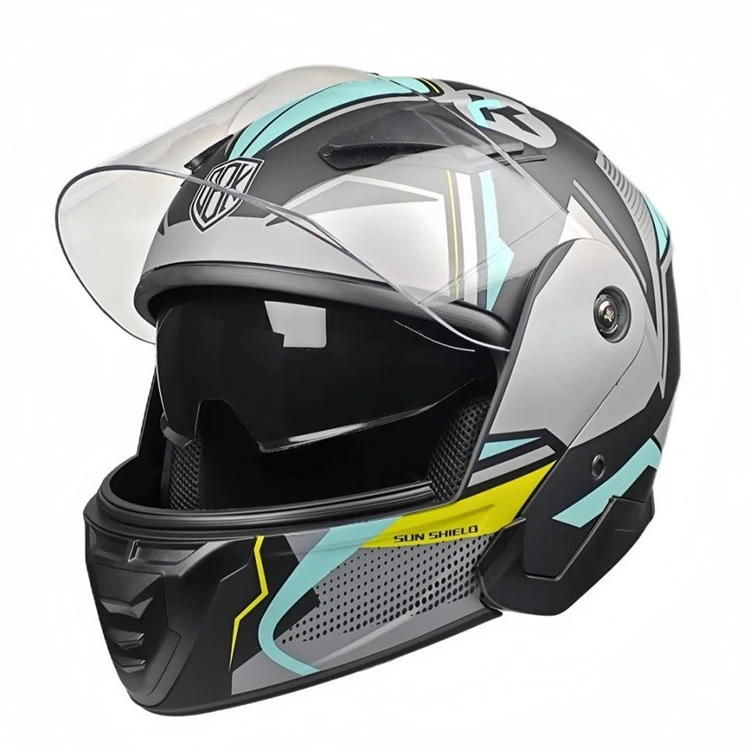
ABS Engineering Plastic helmets are injection-molded, which keeps manufacturing costs low—so it's no surprise they dominate the entry-level market. The problem is, to hit adequate strength the shell ends up thicker, which pushes a Full Face Helmet right into the 1550 to 1700-gram territory. For short city commutes, that's honestly no big deal. But stretch the ride out over long miles, and every extra gram translates straight into neck fatigue you'll genuinely feel by the end. Prices mostly land in the 200 to 600 yuan bracket, which makes these a pretty sensible choice for city riders who rarely wander far from home.
Fiberglass Composite goes together in a completely different way—fiber sheets are built up layer by layer and then heat-pressed into shape inside a mold. It's basically the cost-performance sweet spot in the mid-to-high-end space. You get strength that's equal to or better than thicker plastics, while keeping weight down to a much more manageable 1400–1550 grams. In a crash, it absorbs energy through delamination—the layers peel apart in a controlled way to dissipate force. Pricing sits between 800 and 2000 yuan, which for canyon carving and mid-to-long-distance trips makes it the most balanced option out there.
Carbon Fiber Composite goes a different route: manual lay-up and high-temperature curing. That fussy, labor-intensive process is what brings weight all the way down to 1200–1400 grams. On your head, the thing practically disappears, which cuts neck inertia and long-distance fatigue dramatically. The trade-off is the price—expect to start around 3000 yuan, and for track-level products you're easily looking at well over 10,000. This is the choice for high-intensity competition and riders who take long-distance touring seriously enough to chase every last gram.
A 150-gram difference barely registers when you're standing in a shop for five minutes with the helmet on. But once you're moving above 60 km/h, the whole picture changes—wind buffeting and road vibrations kick in, and a heavier lid forces your neck muscles to stay constantly engaged just to keep your head from getting thrown around. After more than two hours of continuous riding, that weight difference is magnified by time, directly slowing reaction speed. Riders covering over 2000 kilometers per year should prioritize a lighter helmet within their budget — it is a sensible investment in the body, not just an upgrade.
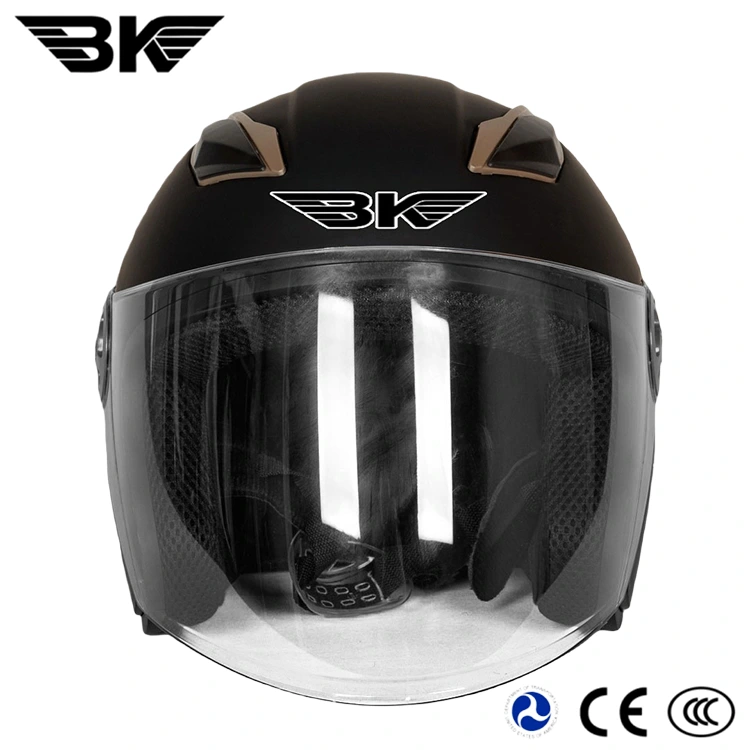
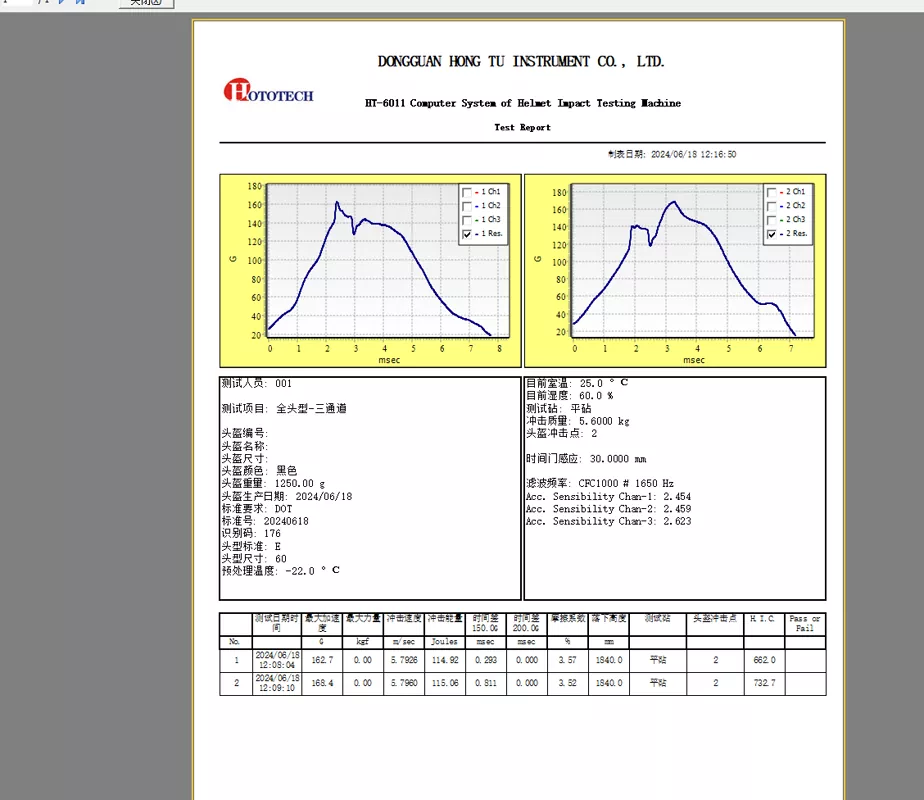
A more expensive material does not mean greater safety. A helmet made from ABS that costs you 500 yuan but has passed ECE 22.06 certification isn't going to compromise on the baseline protection—it'll guard your head just as well as a carbon fiber lid with a 5000-yuan price tag. That's where the premium stuff actually proves its worth—you're getting the exact same level of protection, just with a noticeable chunk of weight carved off, plus a wider cushion of performance when conditions get genuinely extreme. So if your budget is tight, make absolutely sure the certification is in the bag first, and only then start eyeing fancier materials. Flip those two priorities around, and you're setting yourself up for a mistake you really don't want to make.
The gap in liner quality across price levels is often wider than the shell. Entry-level models use basic foam that collapses and develops odor easily. Mid-range helmets employ multi-density foam and moisture-wicking fabrics. High-end ones use laser-cut zoned foam and performance fabrics. Once a liner collapses, it can no longer hold the head securely in place during an impact — a hidden danger more worthy of attention than the price gap between materials.
Rather than being led by specs, start from your riding style. For urban commutes under 15 km one way and below 60 km/h, a certified ABS Helmet is fully adequate — spend the budget on reliable fasteners instead. For weekend canyon carving and occasional short tours, a fiberglass full-face helmet hits the optimal balance of price and performance. If you're piling on more than 400 km a day touring, make fiberglass your starting point and jump straight to carbon fiber if the budget can stretch—when the miles get long, every single gram makes a real difference. For track days or any kind of high-intensity competition, carbon fiber is the no-compromise choice, and you'll want to be looking specifically for SNELL or FIM certification.
Q1: Is carbon fiber definitely safer than fiberglass? No. The advantage is lighter weight for the same strength; the safety baseline is defined by certification, not the material name.
Q2: Does a heavier helmet provide better protection? On the contrary. Head protection relies on scientific energy-absorbing design. An overly thick and heavy shell may transmit greater impact force.
Q3: Are a few hundred yuan helmets just for show? As long as they pass valid ECE or CCC certification, they provide the required standard of protection. The price difference manifests in weight, comfort, and finishing details — not a binary "protection vs. no protection" distinction, provided you avoid uncertified products.
Q4: Does material affect service life? No. Lifespan is determined by the aging of the foam liner, not whether the shell is ABS, fiberglass, or carbon fiber. Manufacturers generally recommend replacement five years after first use.
Choosing a helmet material is not about deciding “which is the best” but matching “what suits you best.” ABS puts reliable helmets on more riders' heads, fiberglass draws a golden balance line between performance and budget, and carbon fiber pays a high price for an extremely lightweight experience. First, be clear about where you ride, how long you ride, and how fast you ride — then decide which material will guard your ride.
Ningde Chief Pigeon Technology Co., Ltd., offers a full range of off-road and full-face helmets in ABS, fiberglass, and carbon fiber, covering needs from entry-level to competition. Contact us for expert helmet selection guidance and find the one that matches your riding style.